

WDL01
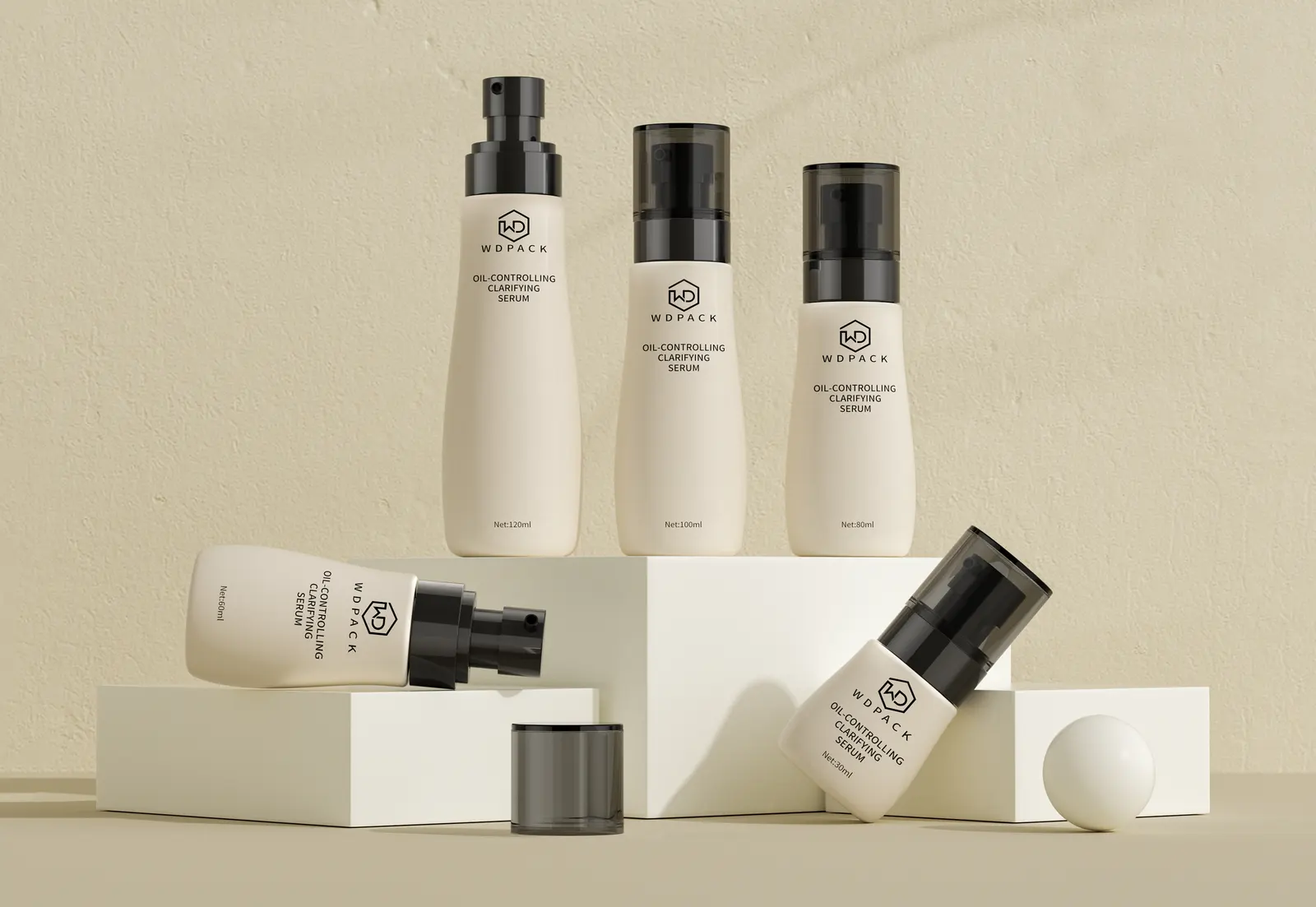
Lotion pump
Measured dispensing for lotions and fluid creams.
Verify: Output, priming, lock and formula viscosity.View modelA bottle becomes a usable pack only when the closure, formula and filling process work together. Compare dispenser routes, then approve the exact assembled set.
The first selection is functional. Capture how the formula should leave the pack, how much is dispensed, and how the customer will hold and store it.
State product type, viscosity, key ingredients, target fill and any sensitivity your team must evaluate.
Specify dose, spray or foam behavior, lock or travel needs and the use position.
Share filling conditions, assembly steps, packing format and the markets where it will ship.
These WDPACK catalogue examples show different packaging formats. A pictured component is a starting point for discussion, not a promise of interchangeability.
Measured dispensing for lotions and fluid creams.
Verify: Output, priming, lock and formula viscosity.View model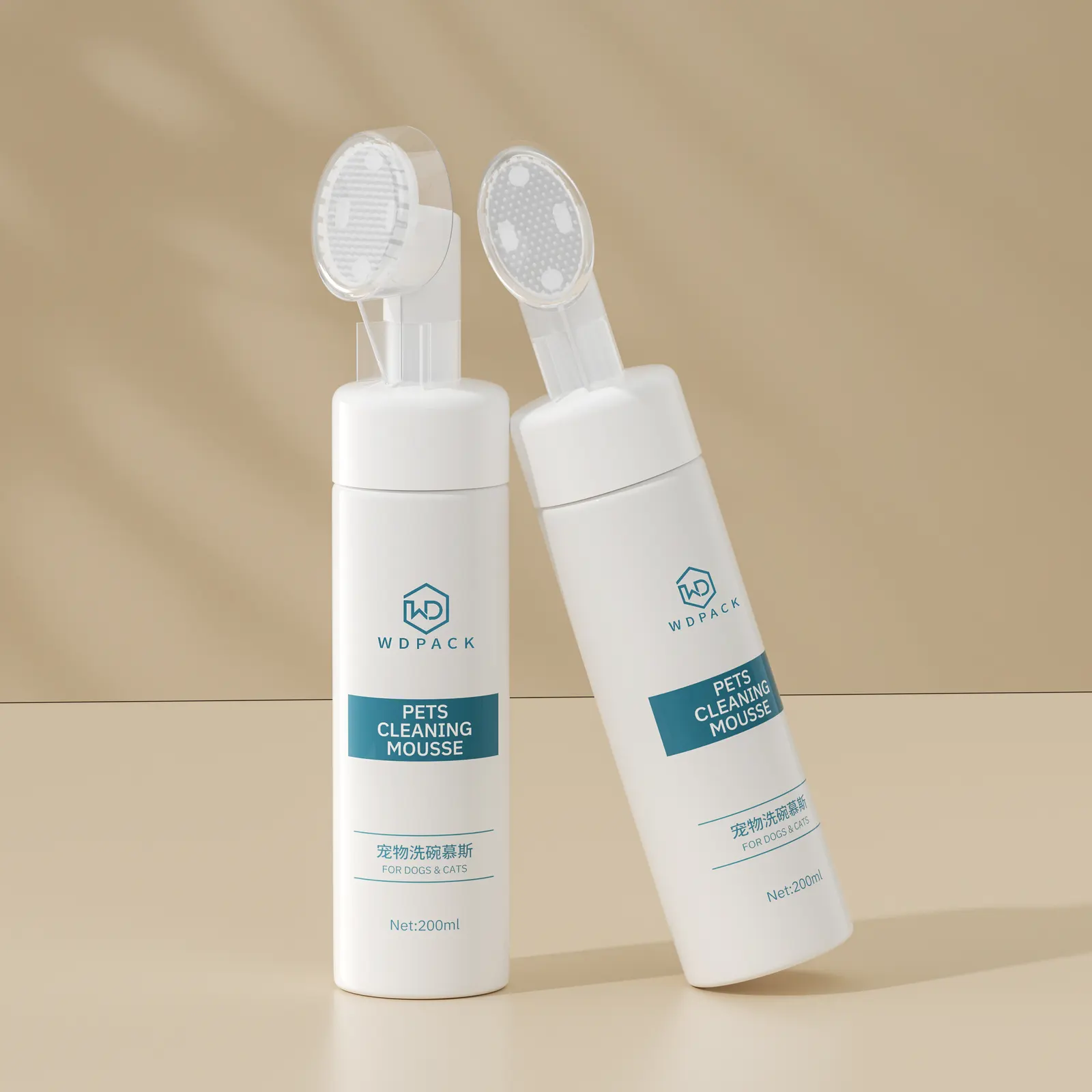
A foamed dose when the formula and pump are designed together.
Verify: Foam quality, output and repeat pumping.View model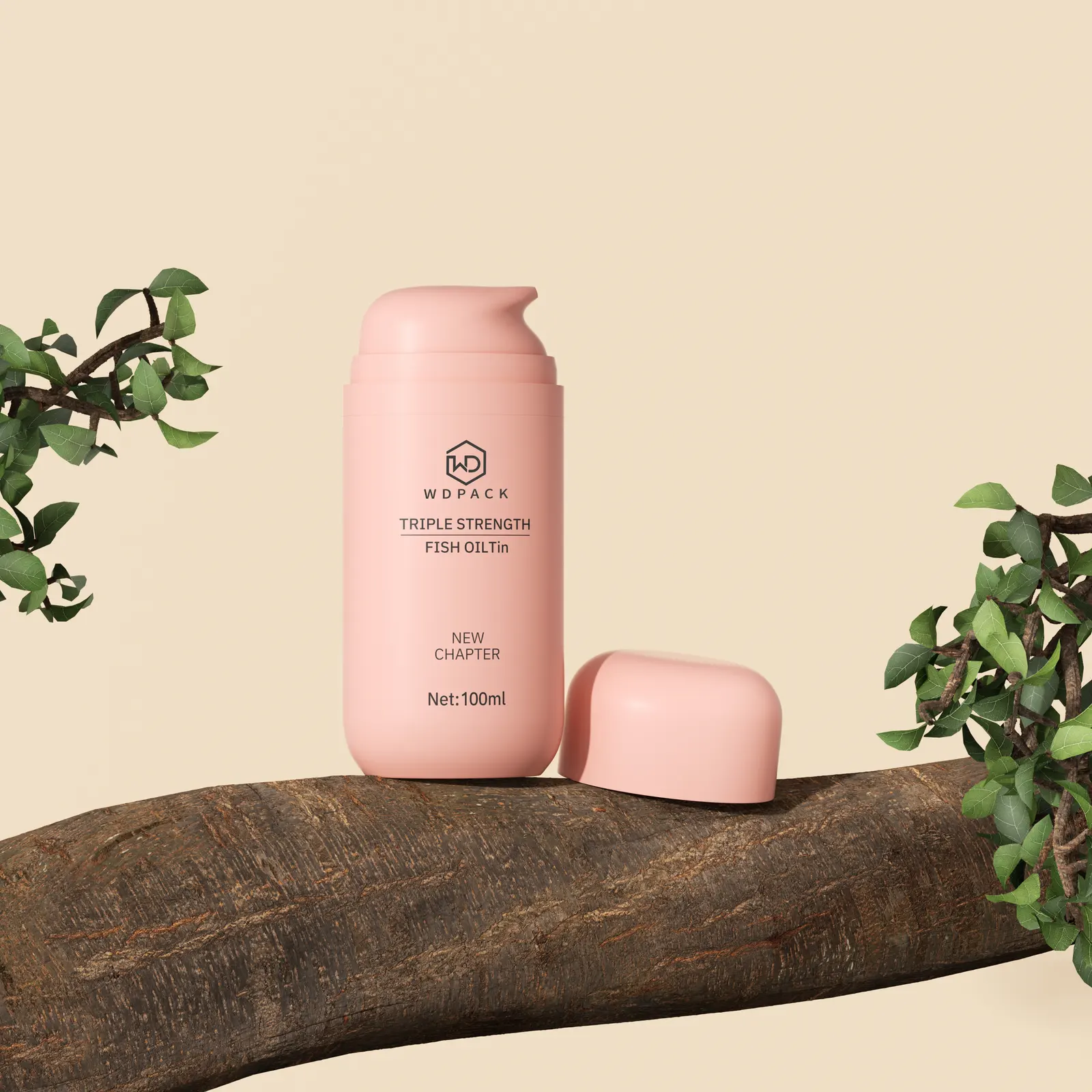
A controlled pump system with an airless bottle construction.
Verify: Priming, evacuation, output and assembly.View model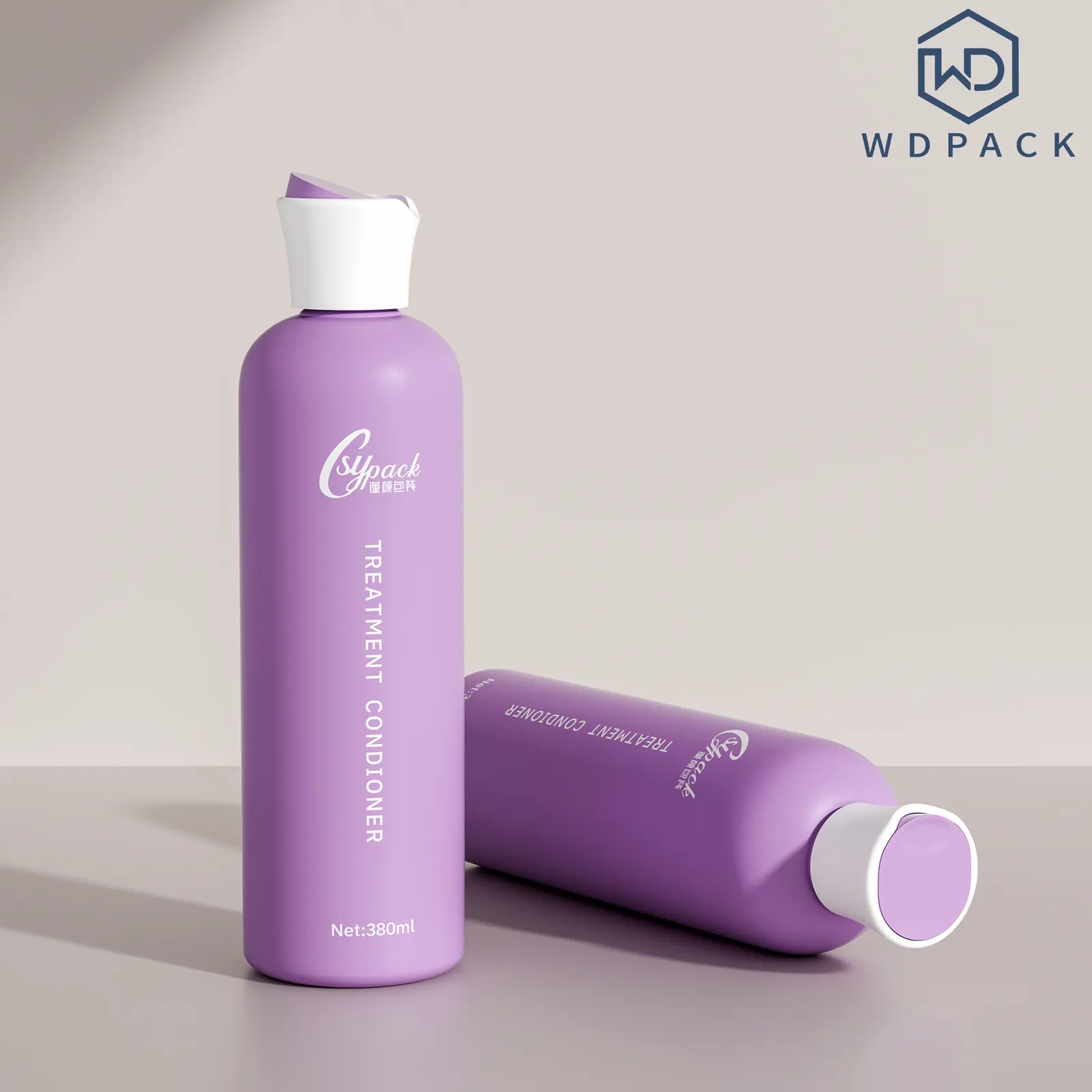
A simpler access route for suitable wash-care formats.
Verify: Seal, opening force and use orientation.View modelThe neck, pump and bottle must work as one assembly. Do not infer fit from a catalogue photo or a common-looking neck code.
Standard neck codes describe only part of an interface. The actual pump, gasket, dip tube, liner and bottle tolerances still need approval as a set.
These are illustrative buyer briefs anchored to WDPACK catalogue models, not tested combination claims.
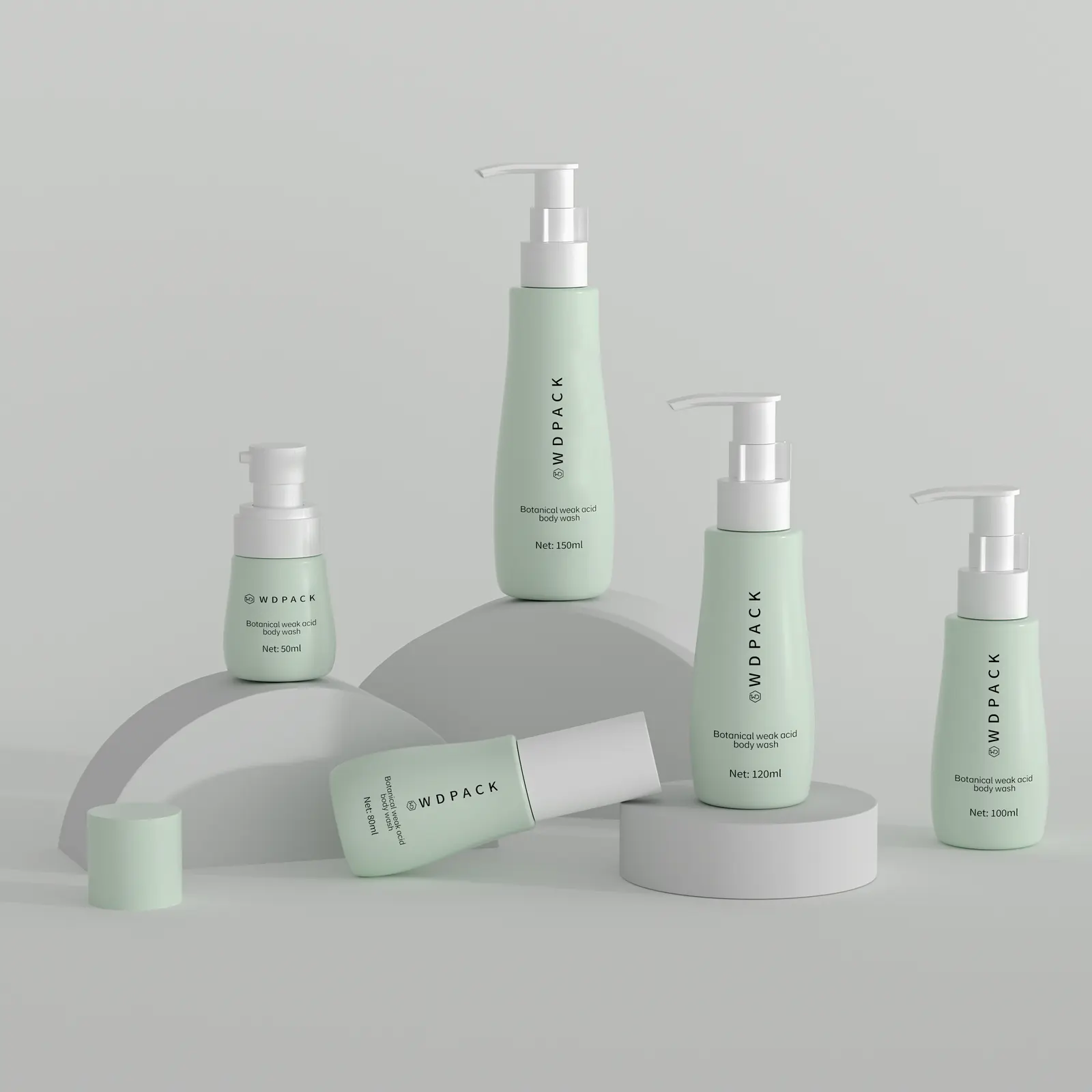
Start with output and hand feel. Check the actuator, dip tube length and closure seal against the final fill.
Examine WDL01
Treat the foam as a formula-and-dispenser result. Agree foam quality and dose before approving appearance.
Examine WDF001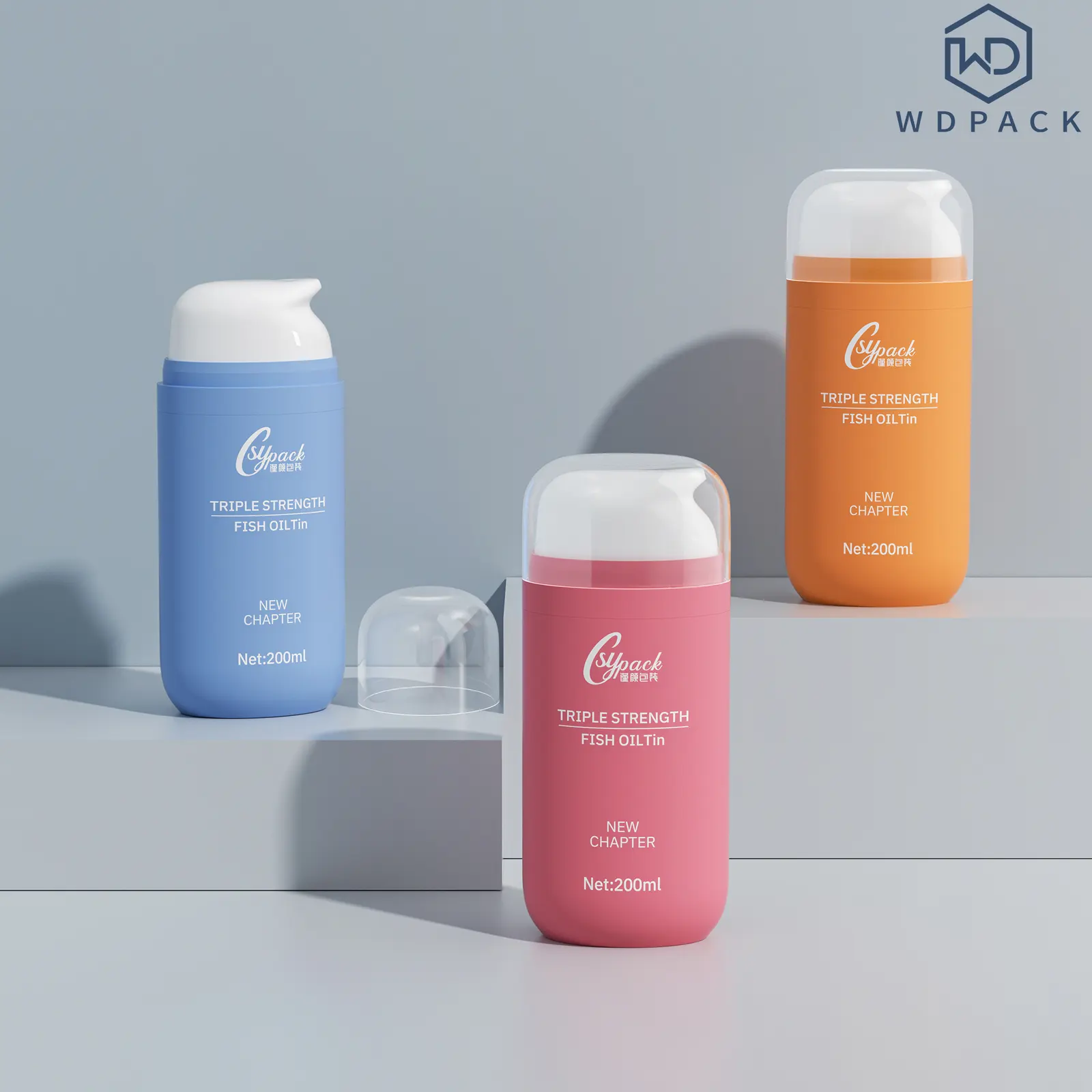
Compare priming, evacuation and dose. Confirm the chosen airless construction with the intended formula.
Examine WDA01A cleanser, serum and lotion may share colors and brand rules while using different dispensing systems.
Set logo position, naming hierarchy, body-color direction and a common approach to graphics.
Choose each pump or closure for its own formula and use case. Do not assume one accessory works across all capacities.
Compare shelf presence as a set, then test each assembled pack separately for dispensing and seal.
Compare like for like: the same model, capacity, component set, finish, quantity and delivery basis.
Using an existing model differs from changing the neck or creating a new shape.
Pump construction, output, lock, cap and any special material requirements affect the set.
Body color, print, surface finish, manual assembly and packing add process steps.
Quantity, sample rounds, tests, inspection and shipping terms should appear on the quote.
A plain model can establish shape. An assembled and filled pack is needed for functional decisions.
Compare capacity, body shape, neck, actuator size and basic handling.
Check seating, thread, pump action, cap retention and the physical appearance of the set.
Test with the intended formula and agreed conditions for output, leakage, compatibility and use.
Sign off artwork, color, finish and packing before bulk production.
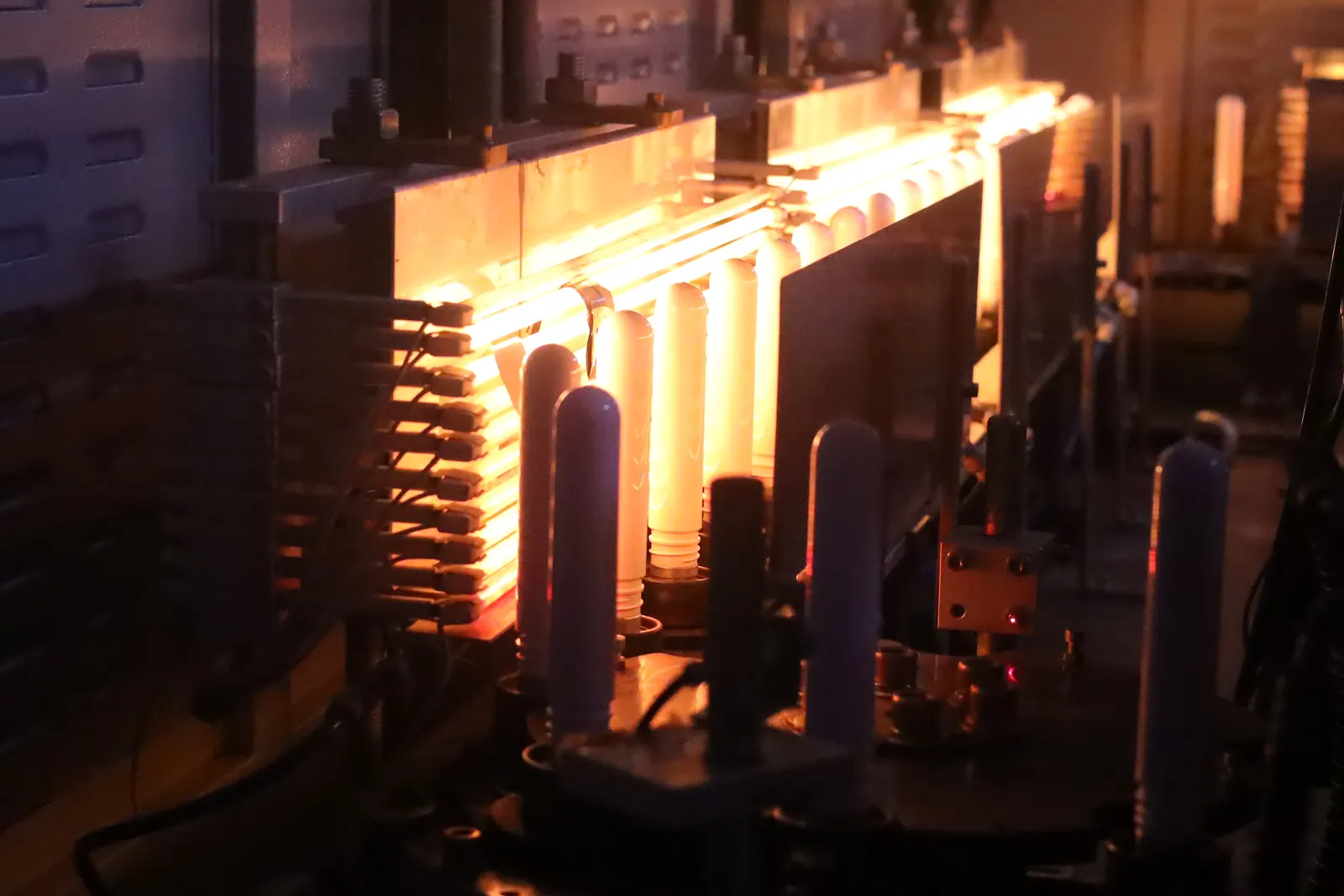
A visually correct bottle can still fail in use. Make the functional and appearance checks explicit before releasing an order.
Attach the exact product requirement to the selected model so sourcing and production discuss the same pack.
Formula type, viscosity, fill volume and target market.
Preferred SKU, bottle image, pump or cap action and any size constraints.
Artwork, color reference, finish and expected quantity.
Requested sample type, test needs and target launch date.
The final answer depends on the exact bottle and formula.
No. Thread designation alone does not establish seal, dip tube length, torque or functional compatibility. Request the approved component set and test an assembled sample.
Send the formula type, viscosity, target output and intended use. The team can review suitable catalogue routes; the final choice needs physical evaluation with your product.
That depends on the actual neck, bottle construction and available accessories. Treat the alternate set as a separate configuration to sample and approve.
After a working bottle and dispenser route is selected. Approve decoration on the actual assembled model before bulk production.
The exact body, pump or cap, capacity, materials, finish, quantity, packing, sample scope and delivery terms.
WDPACK can review a practical component route and the samples needed to prove it.
