

Position the range
Start from the shopper and use occasion. Decide what stays constant across the line and what must distinguish serum, lotion and cream.
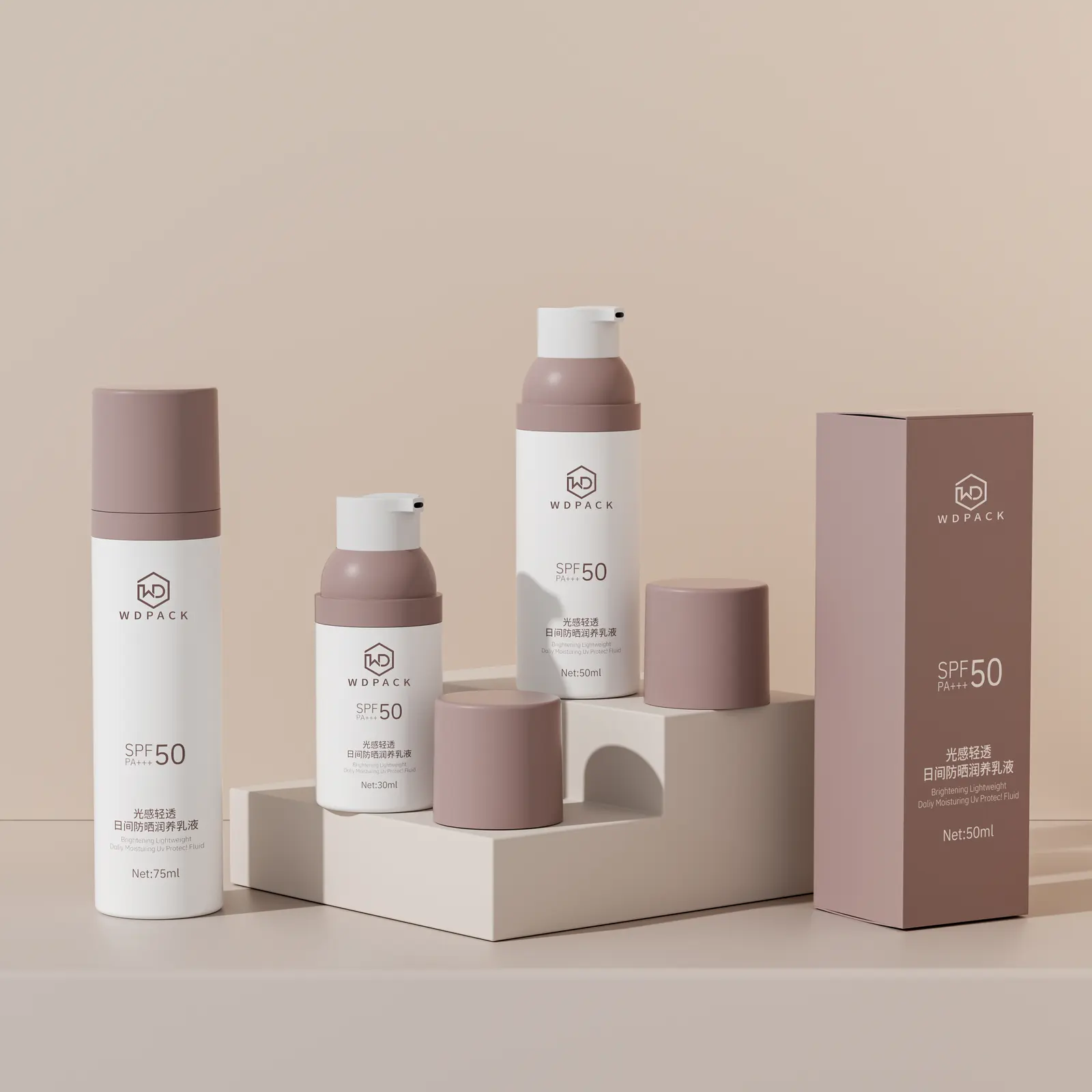
Build a line that reads as one brand while each container does its own job. WDPACK can connect format selection, decoration, physical approvals and repeat production.
Growth adds SKUs, suppliers, launches and reorders. A useful packaging brief connects function, brand expression, cost and production records before the range expands.
Match dispensing and access to the actual product.
Keep placement, hierarchy and palette consistent.
Make the approved result reproducible on reorder.
The models below show how to assign structure by product role. All formula compatibility and chosen components still require physical confirmation.
Airless or controlled-dose formats; assess output, sealing and product protection.
Inspect WDA03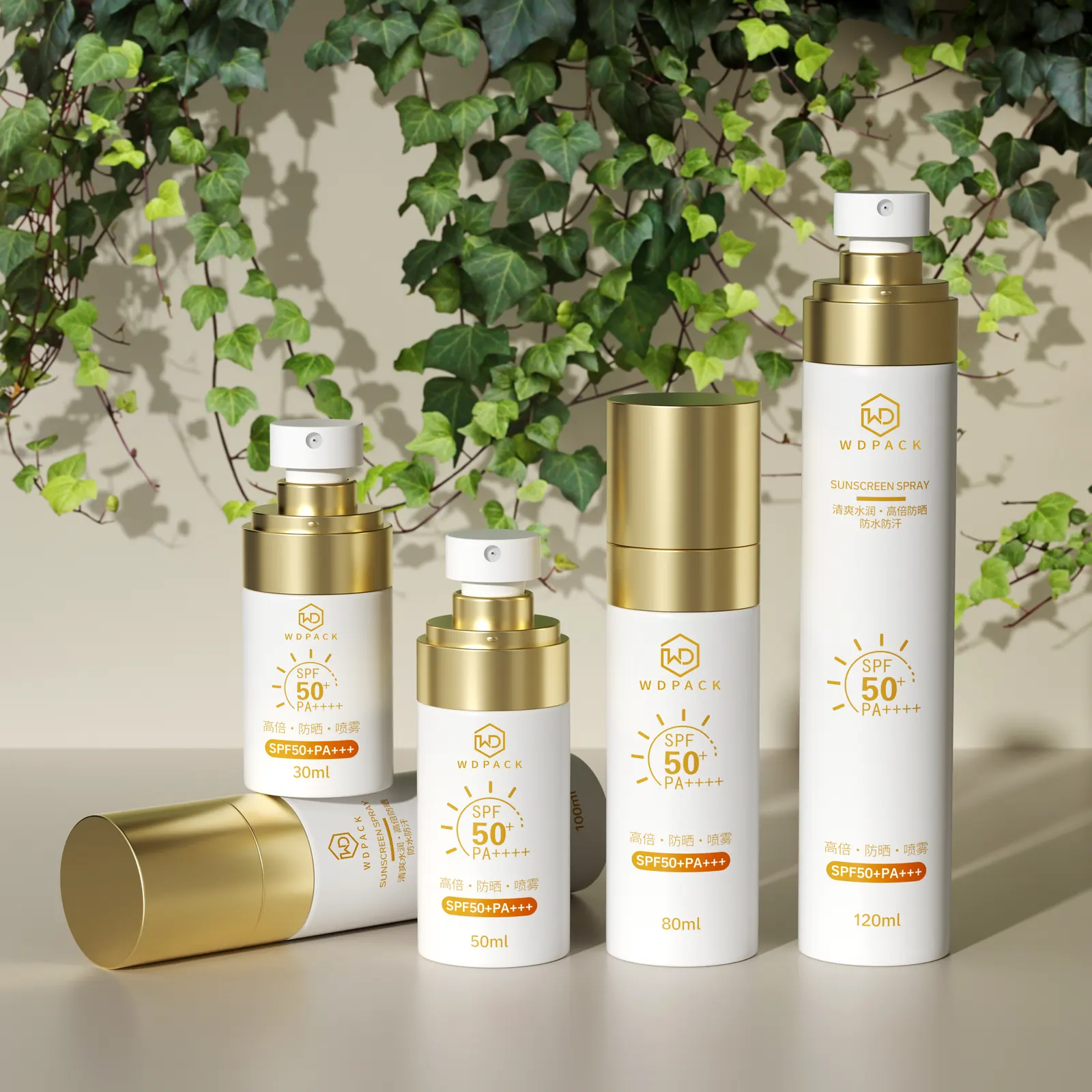
Pump bottle formats; check filling opening, viscosity and the dispense experience.
Inspect WDS01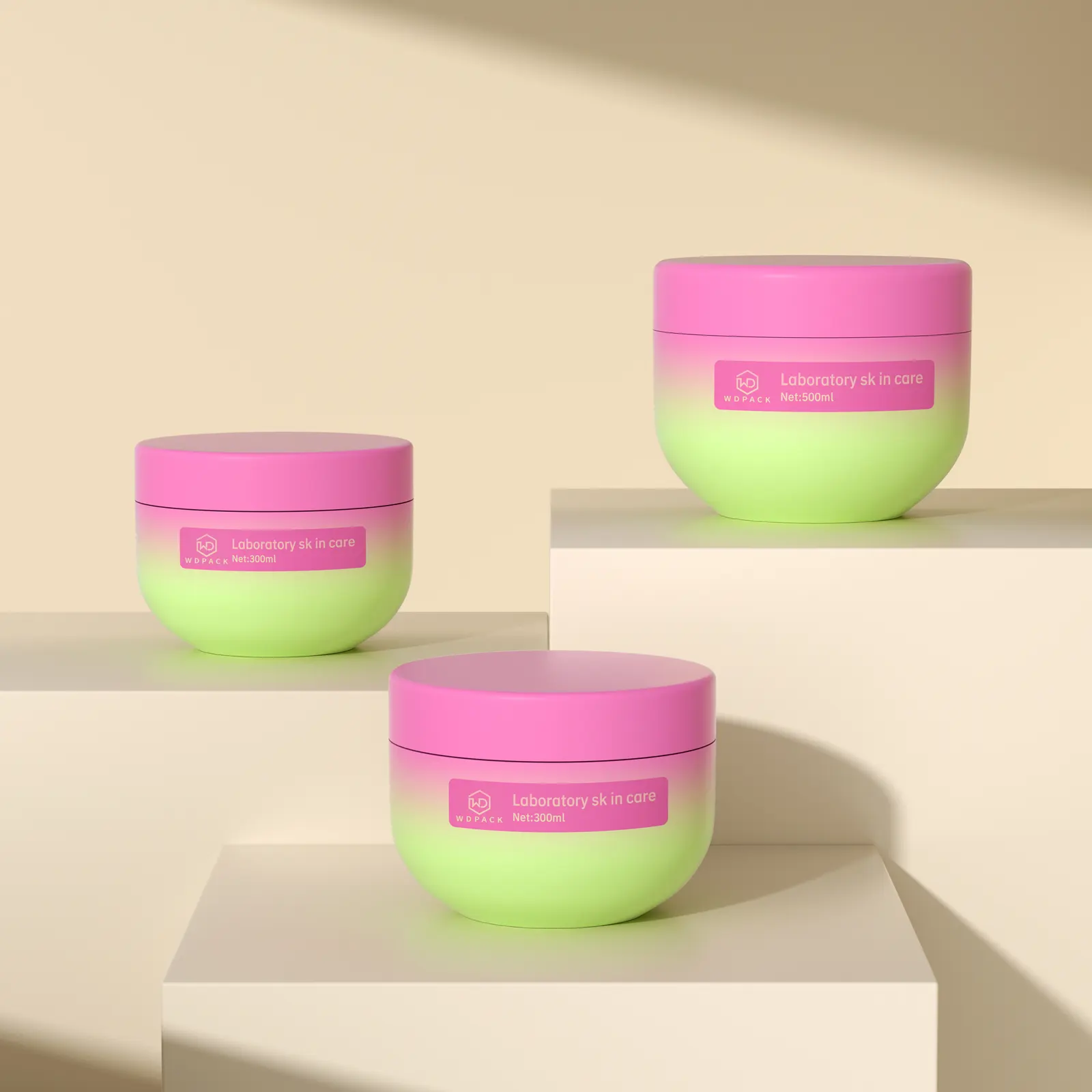
Jar formats; check access, liner, lid and the complete closure.
Inspect WDJ001The pictured WDPACK product presentations are examples. Select and test each exact SKU, capacity, component and finish for the intended formula.
These questions make a range proposal more useful than a mood board.
Limit the shortlist to functional formats, then compare them side by side.
Model catalogueChoose one stable brand rule and one controlled variant cue.
Decoration guideQuote body, pump, cap, finish and pack-out per model; separate tooling from unit cost.
MOQ routesName the exact material requirement and request supporting data for the chosen pack.
Material guideRetain an approved sample, color standard, artwork revision and inspection points.
Quality checksPlan proposal, proofing, production and freight as separate milestones.
Order processThis is a planning example using real WDPACK catalogue models, not a completed client project or a claim of formula compatibility.
The buyer needs three functions and one recognizable shelf presence. The decision is not to force every formula into the same bottle; it is to carry the same visual grammar across suitable structures.
Start from the shopper and use occasion. Decide what stays constant across the line and what must distinguish serum, lotion and cream.
Put every formula into a suitable bottle or jar, then compare silhouette and scale together. Keep a named SKU and component list for each item.
Choose a shared logo placement, type hierarchy and base color. Use a controlled accent for each formula, keeping required copy legible on the real print area.
Review decorated samples as a group for shelf coherence, then test filling, dispensing, closure and wear on each assembled pack separately.
Keep the approved sample, drawing, artwork revision, material, components and inspection criteria with the order so later batches repeat the same decisions.
These three directions illustrate color logic only. They are not stock-color or finished-sample claims. Confirm process suitability and color on each selected model.
Logo position, information hierarchy, visual spacing and material language.
Formula name, use cue and a restrained accent color for quick navigation.
Print area, opacity, shade, registration and feel on the actual container.
Warm accents for an active or sun-care range.
A quiet green cue with controlled claims.
A soft contrast for a calm, sensitive-skin line.
A well-designed range is repeatable only when the exact approved configuration is recorded. Build one specification line per SKU and keep the records with the purchase order.
See inspection criteriaThe physical assembly and filling interface
Copy, logo size, placement and print separation
Visual reference and acceptable variation
Dispensing, sealing, fit and handling checks
Unit protection, master carton and destination
A shared visual system does not mean all quantities can be combined. Quote each bottle, component and finish route separately, then decide where customization creates the most value.
All figures are starting points subject to the exact SKU, components, decoration and quotation. Review sampling and MOQ
WDPACK can return an initial route within 72 hours of a usable brief. Physical samples, decorated proofs and production dates are confirmed for the chosen scope.
Products, formulas, target markets and quantities by SKU
Format shortlist, finish route and working quotation
Structure, color, artwork and functionality checked
Approved master sample and written specification
Agreed checks, packing and shipping terms
The exact model, decoration and quantity determine the final specification.
Yes. Keep common visual rules, then adjust the artwork area and approve the finished result on each selected format.
Do not assume they can. MOQ depends on the exact model, components and decoration route; ask for a quotation by SKU.
An eligible existing structure may use a color-customization route from 5,000 pieces. Substrate, process and timing require confirmation.
Retain the approved physical sample, component list, artwork revision, color reference, packing detail and inspection criteria.
A new body or component geometry may require tooling. Compare the existing catalogue first, then review drawings, prototype and tooling cost if the shape must change.
No. It is for an initial packaging route after a usable brief. Sample preparation and shipping are scheduled separately.
Send the product list, formula type, target fill, market, quantity by SKU, visual references and launch schedule. We will map structure, decoration and proofing priorities.
