


Contains recycled content
Describes a documented percentage of recycled resin in a specified component. It does not prove that the whole pack can be recycled after use.
A better material brief begins with a named component, a real model and the market where it will be sold. Compare five routes, then ask for evidence before making an environmental claim.

A material change, a refill system and a recycling claim solve different problems. Put the intended outcome in the brief before selecting a bottle.
Describes a documented percentage of recycled resin in a specified component. It does not prove that the whole pack can be recycled after use.
Describes how an outer pack and replaceable unit work together. The refill must fit, seal and be available over repeat orders.
Concerns the complete pack in a particular market. Pumps, labels, color and local collection rules can change the conclusion.
A photograph cannot establish any of these claims. Request a SKU-specific specification and review your final wording with the appropriate market requirements.
These are directions to investigate, not a statement that every WDPACK model is offered in each material or construction.
Record each supplied component before asking for a mono-material or recyclability assessment.
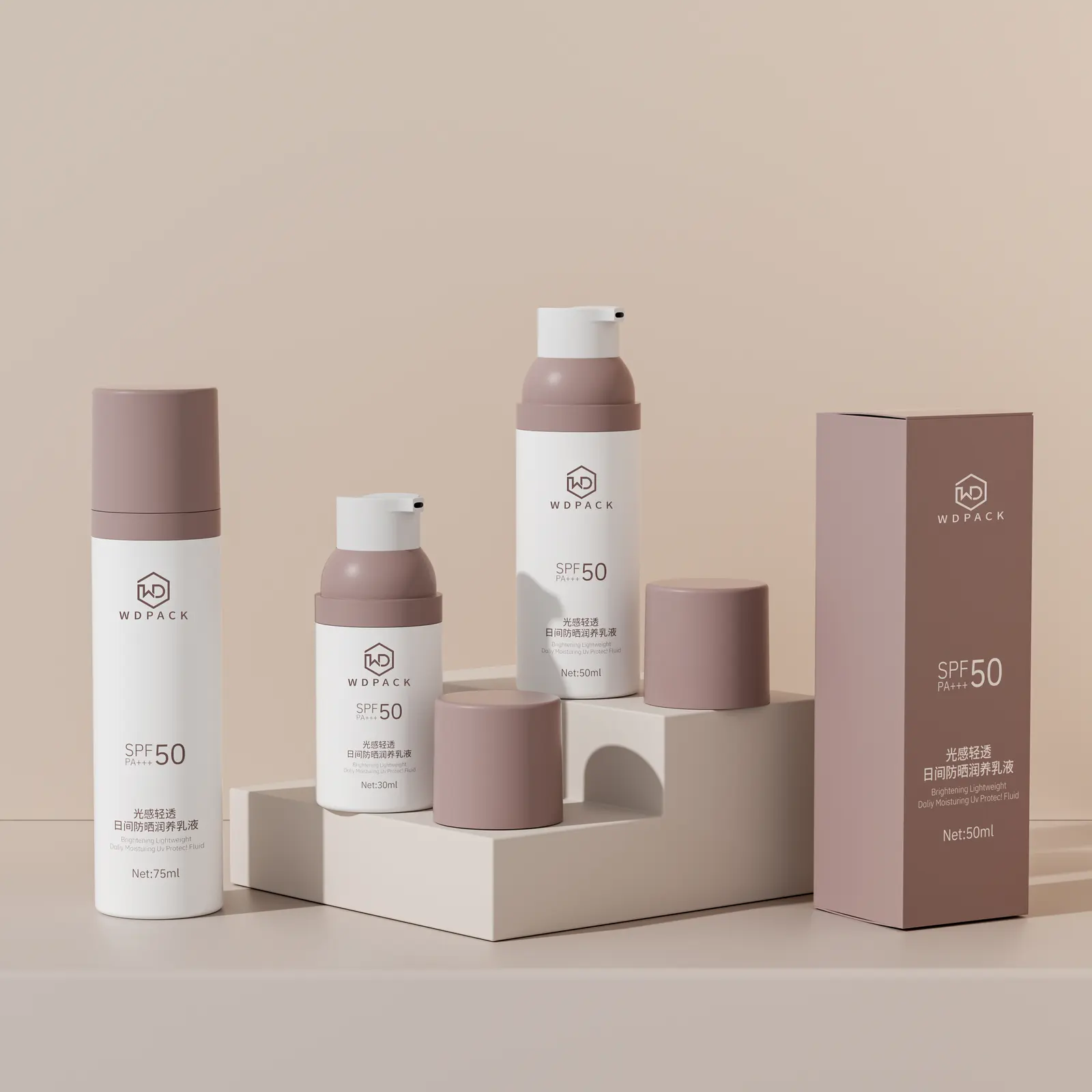
Confirm the resin and whether there are layers, inserts or a replaceable inner unit.
Ask for a breakdown of visible and internal parts, not only the outer housing.
Colorants, coatings, labels and adhesives can affect sorting or the evidence needed for a claim.
Test with the intended formula, then assess the finished pack in the target market.
A cream jar, lotion pump and airless serum can require different parts. The lowest-impact-looking bottle is not useful if it fails filling, sealing or dispensing.
Compare airless models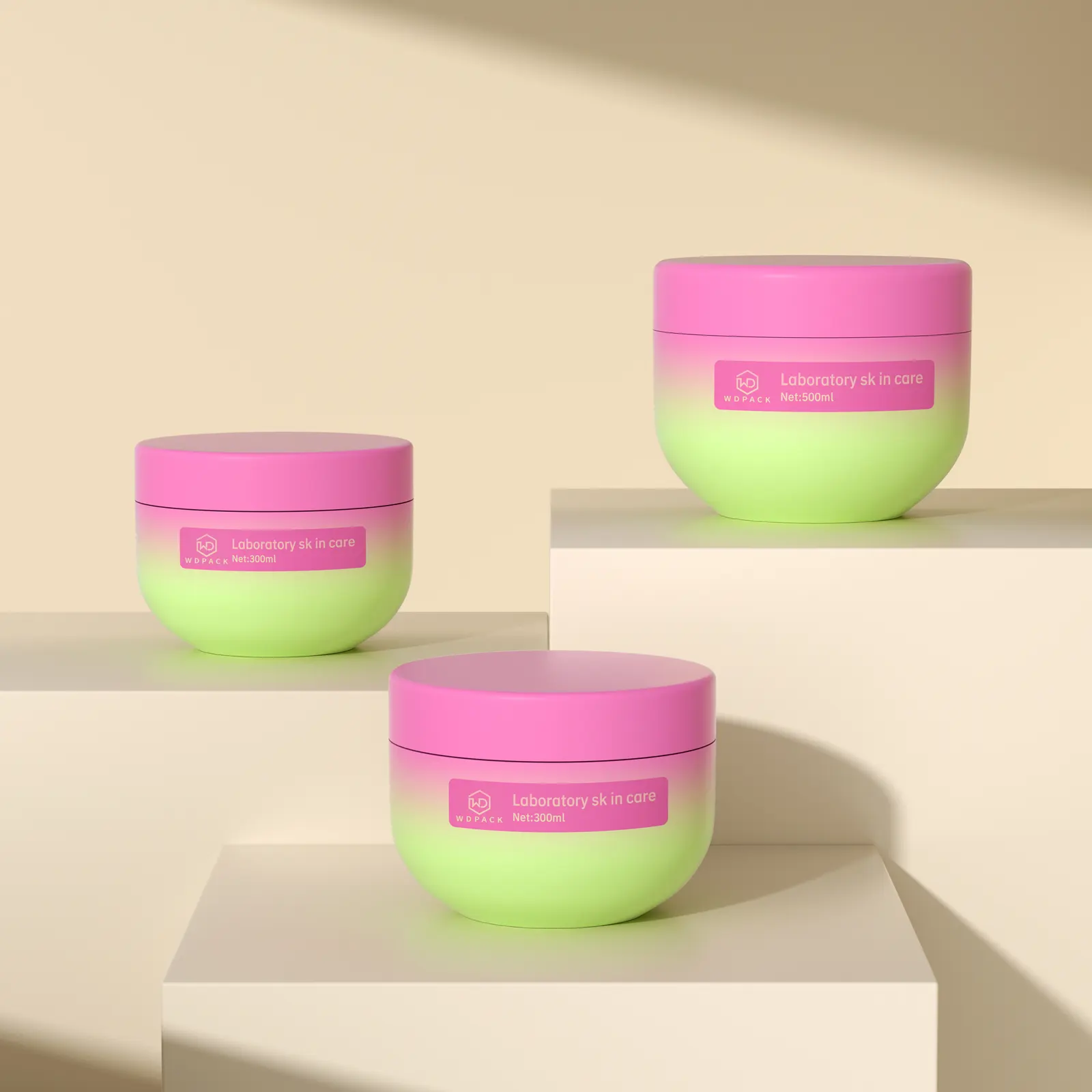
This is an illustrative specification exercise, not a completed customer project or a claim about the pictured SKU.
Lotion with a pump, a target fill and a defined destination market.
Ask whether recycled content, a refill route or a recycling assessment is the priority.
Compare bottle, pump and closure options; request the exact component breakdown.
Approve an assembled sample for output, leakage, appearance and formula contact.
Use the evidence for the final configuration and target market before artwork release.
Ask for records by model and version so marketing, sourcing and quality teams evaluate the same configuration.
Name the body, cap, pump, actuator, liner, label and any insert by material.
Ask for the resin identity and supporting documentation for any claimed recycled content.
Check filling, formula contact, dispensing, leakage and appearance on an assembled sample.
Have the finished pack and proposed claim reviewed for the destination market.
Each gate produces an item that can be checked before the next commitment.
Formula, capacity, dispensing, sales markets and intended claim.
Confirm size, components, material possibilities and the order route.
Record resin, recycled-content evidence if relevant and any finish or label.
Check compatibility, function, sealing, appearance and filling-line requirements.
Review the final claim against documentation for the assembled pack and market.
Keep the approved sample, component list, artwork version and inspection criteria.
Availability and MOQ depend on the exact model, resin, component set and finish. Selected stock may start at 300 pieces; logo printing can be discussed from 1,000, color from 5,000, and normal custom production from 10,000. Confirm the applicable route for your brief.
Use these questions to make the next supplier discussion specific.
No. PCR describes recycled input material. Recyclability concerns the assembled pack and the relevant local collection and sorting system.
No material option is implied by the photographs. Ask WDPACK to confirm the exact SKU, component and current material route.
Not necessarily. Several plastics may be present, and internal parts need their own material breakdown.
An opening alone is insufficient. The replacement system, fit, sealing, repeated use and availability should be specified and tested.
Send the product type, formula, target fill, destination market, estimated quantity, preferred SKU and the exact claim or material goal.
After the final assembled configuration, supporting material records and market-specific wording have been reviewed by the responsible team.
We can outline an initial route within 72 hours of a usable brief. Material availability, documentation, physical samples and shipping dates are confirmed for the actual project.
