
Custom packaging that works as a brand system.
Bring your formula, positioning and visual direction. WDPACK can help map them to a bottle, pump, jar or tube, then prove the chosen color, artwork and function before production.
Make the packs look related. Let each one do its own job.
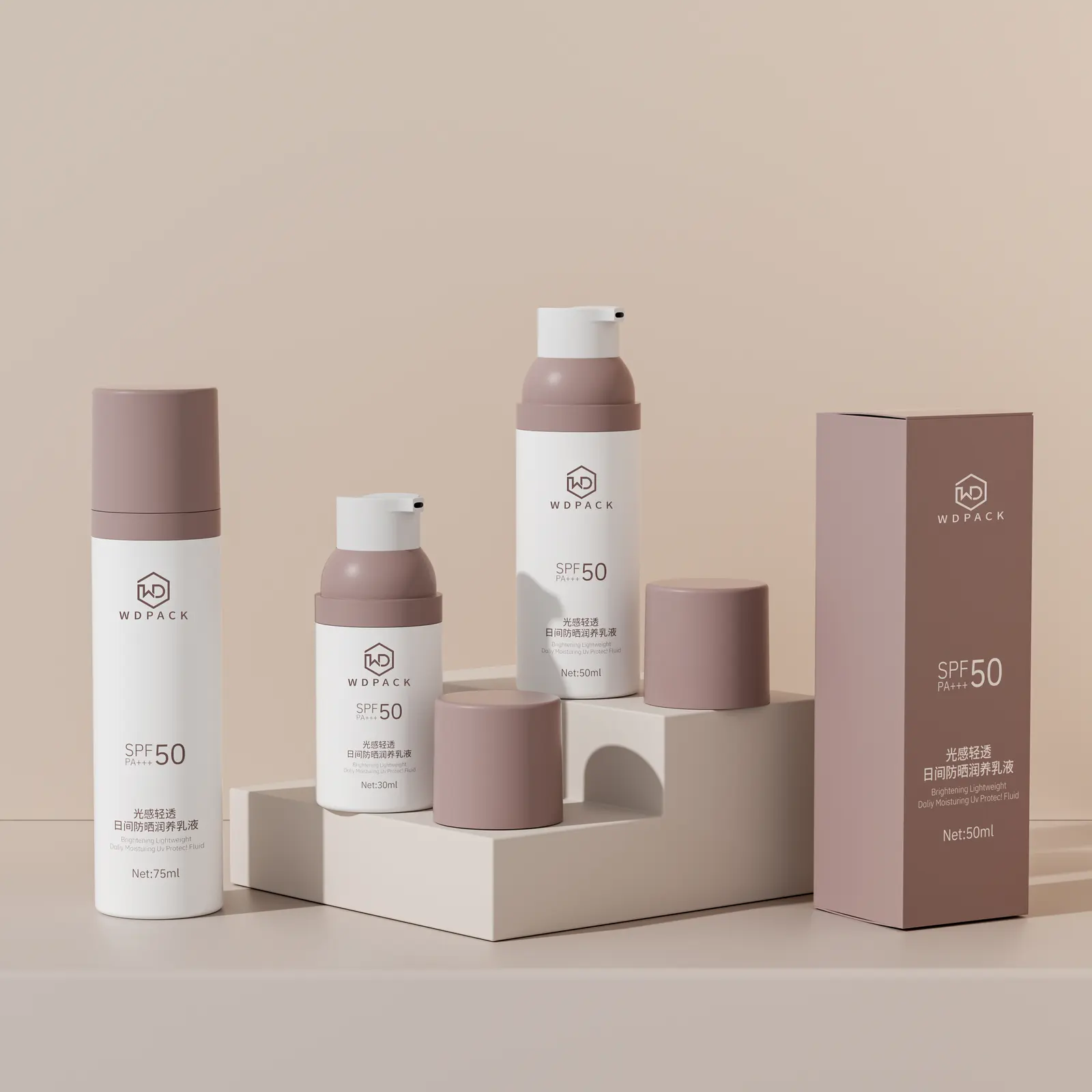
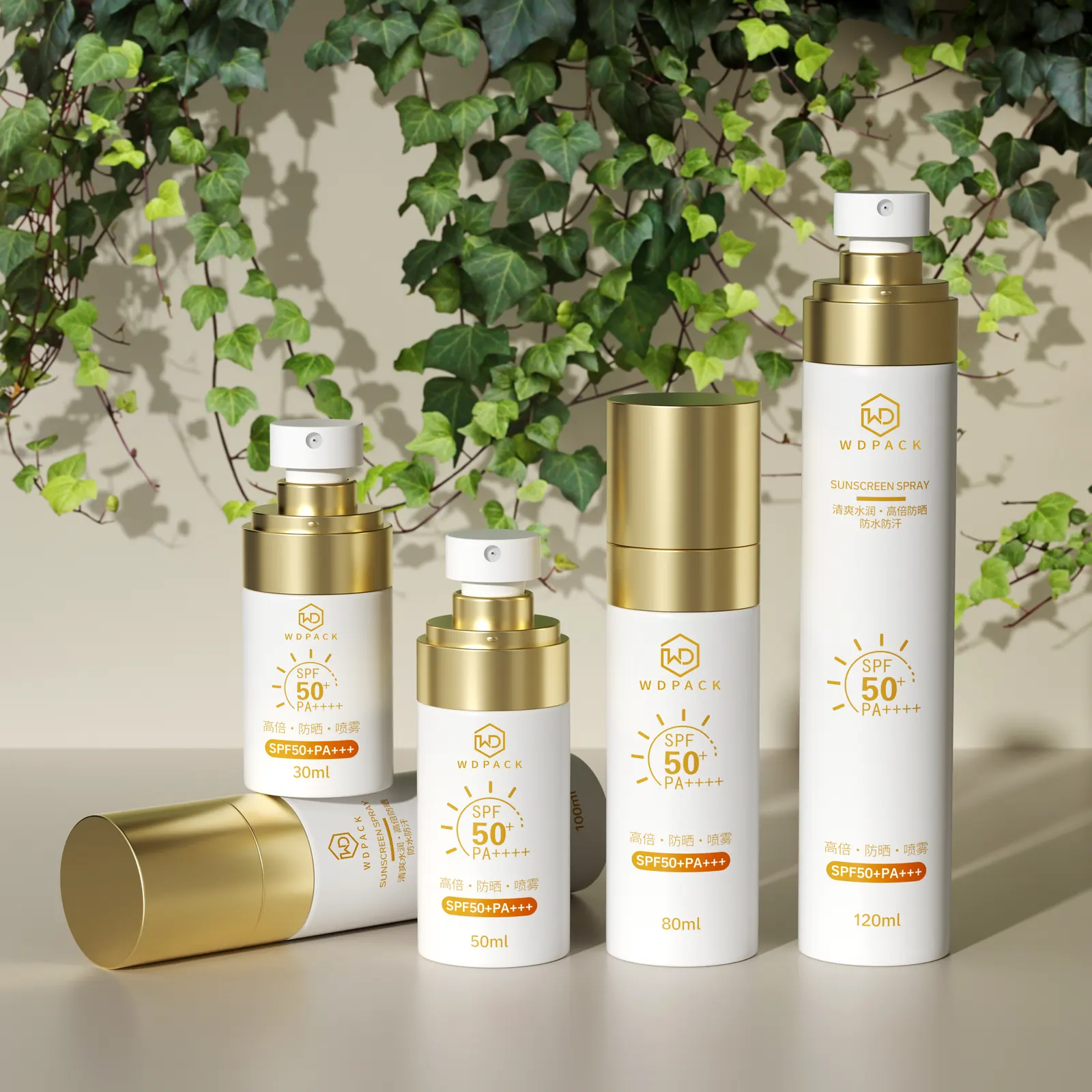
A serum, lotion and cream can share a logo position, palette and information hierarchy. Their structure still differs: dispensing, filling, access and sealing must be checked separately. Start the visual system with real model dimensions and actual print areas.
Plan a multi-SKU range
Serum and treatment
Test output, priming and sealing with the intended formula.
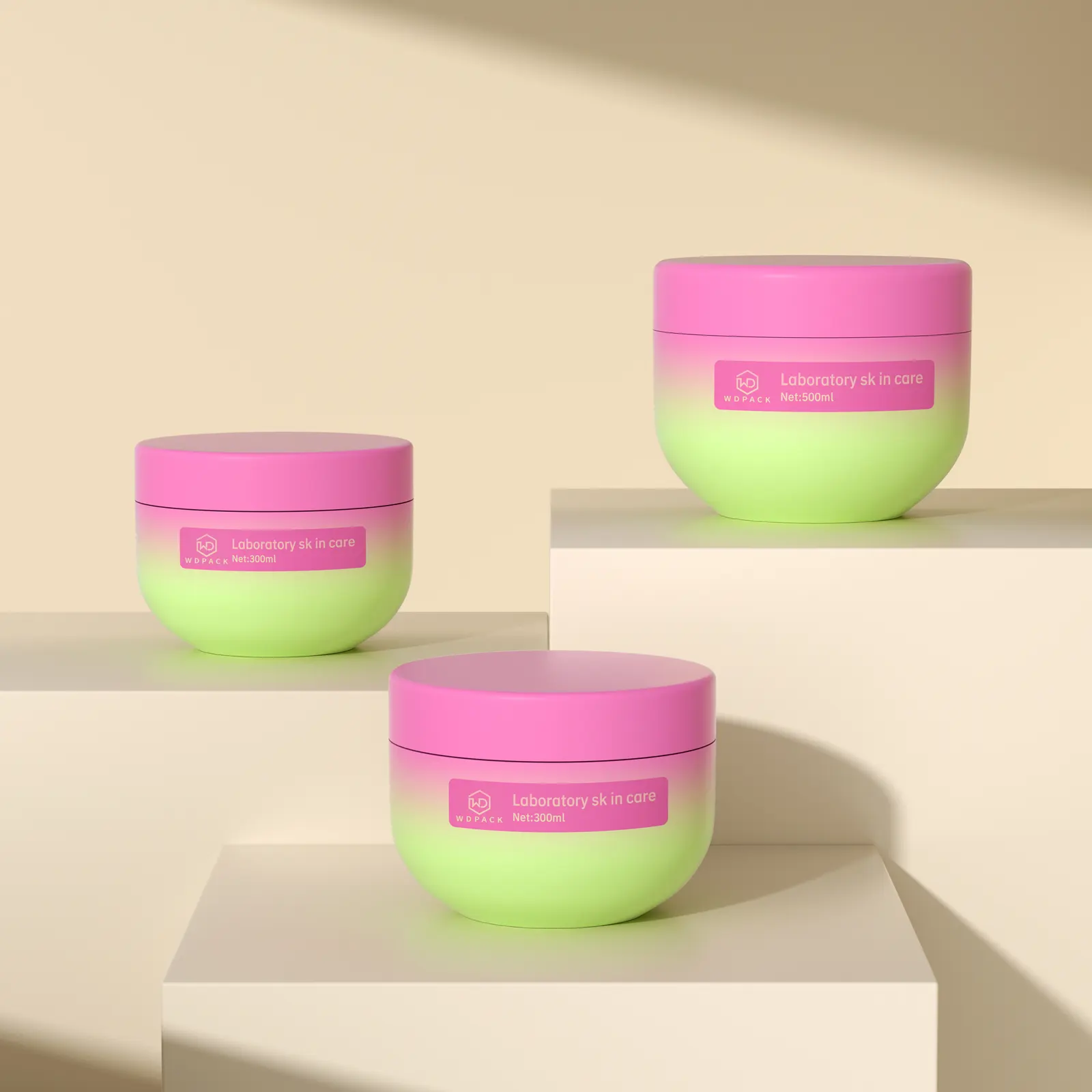
Choose the form around the product.
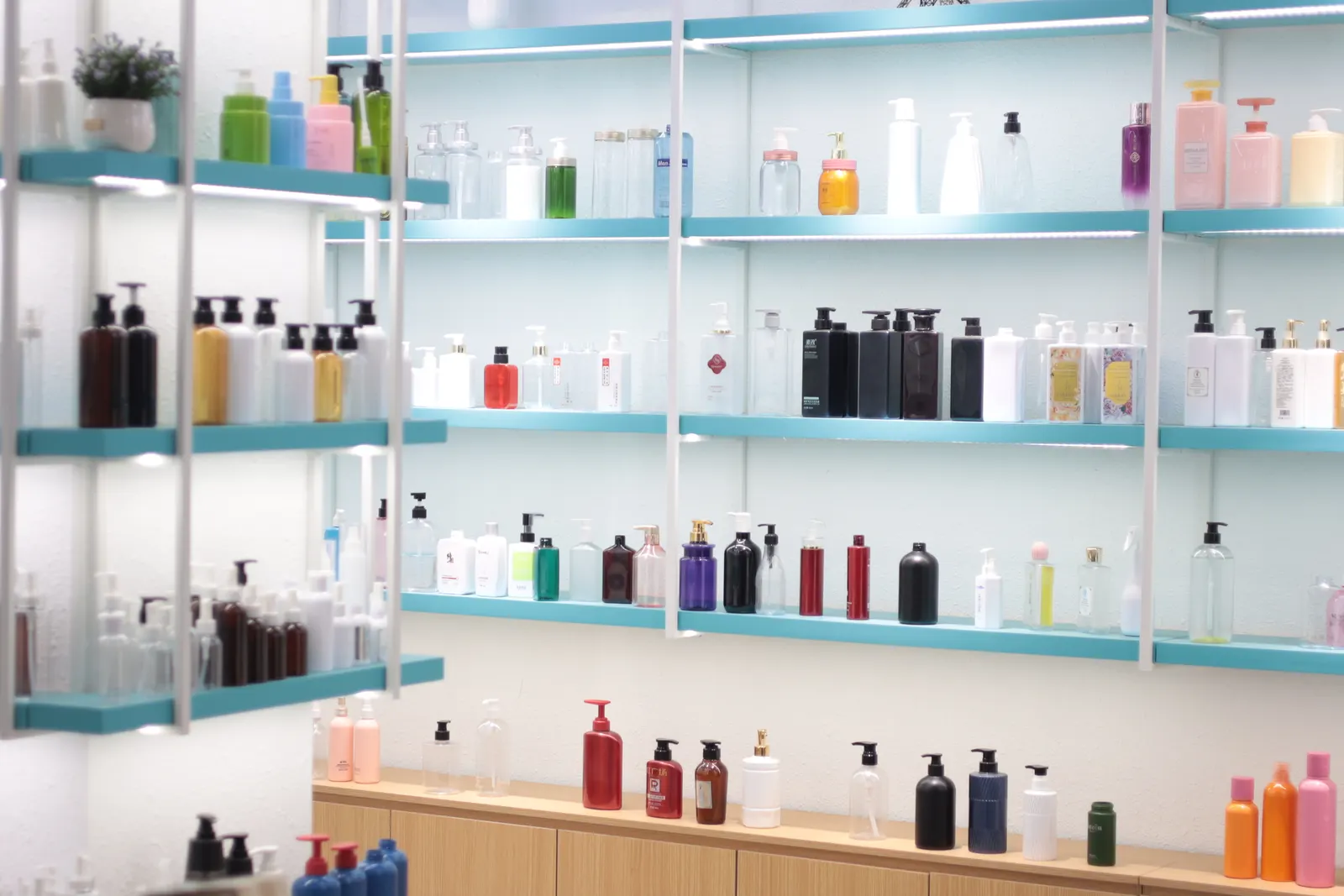
The first design decision is practical: what the pack must contain, dispense, seal and survive. The selected model determines what can be customized economically.
Formula and fill
State viscosity, target fill, filling method and any product-contact concern. Test the selected material and assembly with the actual formula.
Use and handling
Choose a pump, airless actuator, spray, closure, tube or jar by how the shopper uses the product, then check output and leakage.
Shape decision
Compare existing models first. If the silhouette, neck or components must change, discuss design and mold development with a marked reference.
Specify color, logo and touch in layers.
A finish should clarify the brand and be repeatable on the chosen material and shape.
WDPACK lists printing, hot stamping, frosting, color spraying, plating, polishing, decals and labels among its options. Select the method from actual artwork and a physical bottle, then approve the result as a sample.
Compare decoration methodsBody color and material
Set a physical color reference, opacity and surface target.
Logo and information
Mark print area, size, method, alignment and legibility.
Finish and variant cue
Use metallic detail, label or restrained color to distinguish SKUs.
Visible approval
Review color, adhesion, registration and assembled appearance.
The order route changes what can be customized.
These are planning thresholds for eligible models and finishes, not blanket promises for every catalogue item.
Use an existing confirmed configuration.
Confirm printable area and decorated proof.
Approve color and process on a sample.
Use as the baseline for a custom run.
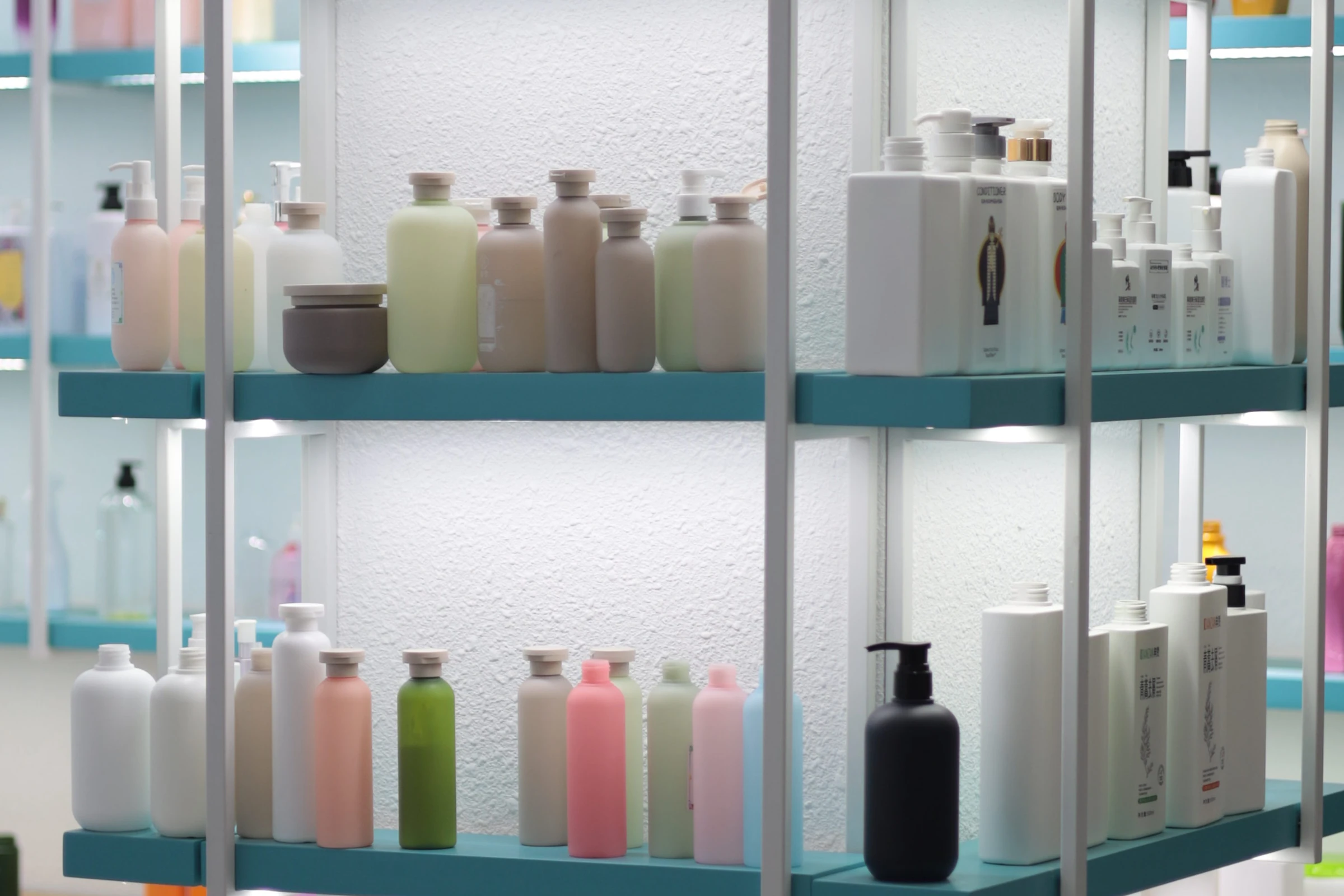
Six approvals turn a design into an order.
Keep the decision owner and approved version clear at every step.
- 01Approve selected structure and complete component set.
- 02Confirm material, fill volume and formula test plan.
- 03Freeze artwork revision and physical color target.
- 04Inspect printed or decorated samples.
- 05Agree appearance and function acceptance criteria.
- 06Sign the final sample, packing and purchase specification.
A skincare trio with one visual language.
This is a design exercise using catalogue models, not a completed customer project or a formula-compatibility claim.
WDA03
Airless format with a shared neutral body. Test output and sealing for the selected serum.
WDS01
Carry the same logo and type rules to a pump bottle; confirm fill opening and pump choice.
WDJ001
Keep brand position while adapting artwork to a jar surface; check lid and liner.
Color, finish, dimensions and available components must be confirmed for each exact SKU.
Make the design file production-ready.
The brief should show the intended appearance on the selected structure, with enough detail to quote and proof it.
- Logo
- Editable vector file, target dimensions and placement.
- Color
- Physical swatch or color reference, plus the desired base material and opacity.
- Information
- Required label copy, market languages, hierarchy and legal review owner.
- Reference
- Selected model, capacity, closure and annotated visual example.
The second production run begins with the first approval.
Retain the signed sample, artwork revision, component list and inspection criteria. When a new SKU joins the range, review its structure separately and carry the shared brand rules forward.
Give WDPACK enough to propose a concrete route.
An initial route can be returned within 72 hours of a usable brief. Physical sample timing, charges and shipping are confirmed separately.
Product Formula type, target fill, customer use and destination market.
Look Brand reference, logo, color, finish and number of SKUs.
Structure Preferred WDPACK SKU or marked reference bottle.
Commercial Quantity per SKU, target date, sample need and budget range.
Clear answers before the purchase order.
For model-specific pricing, stock and samples, request a written quotation.
Can we customize an existing bottle without a new mold?
Often a visual change can be discussed on an eligible catalogue model. The specific color, printing and component options must be confirmed for that SKU.
When would a new mold be needed?
If the body shape, neck or structural feature cannot be achieved with an existing model, discuss design and tooling against a drawing or annotated reference.
Does the 72-hour route mean a physical sample arrives in three days?
No. It refers to an initial packaging route after a usable brief. Physical sample preparation and shipping are separately confirmed.
Can one finish work across every pack in a range?
Not automatically. Material, curvature and printable area differ. Approve the result on each chosen SKU.
Start with your formula and visual references.
Share the product line, target fill, preferred structures, artwork and quantities. WDPACK can propose the model, decoration and proofing path.
