

Existing stock configuration
Keep the current body, color and component set. Check live availability before treating a catalogue image as stock.
Appearance is only one line in a packaging specification. Compare the body, parts, decoration, development work and delivery terms before deciding which offer gives your product the right result.
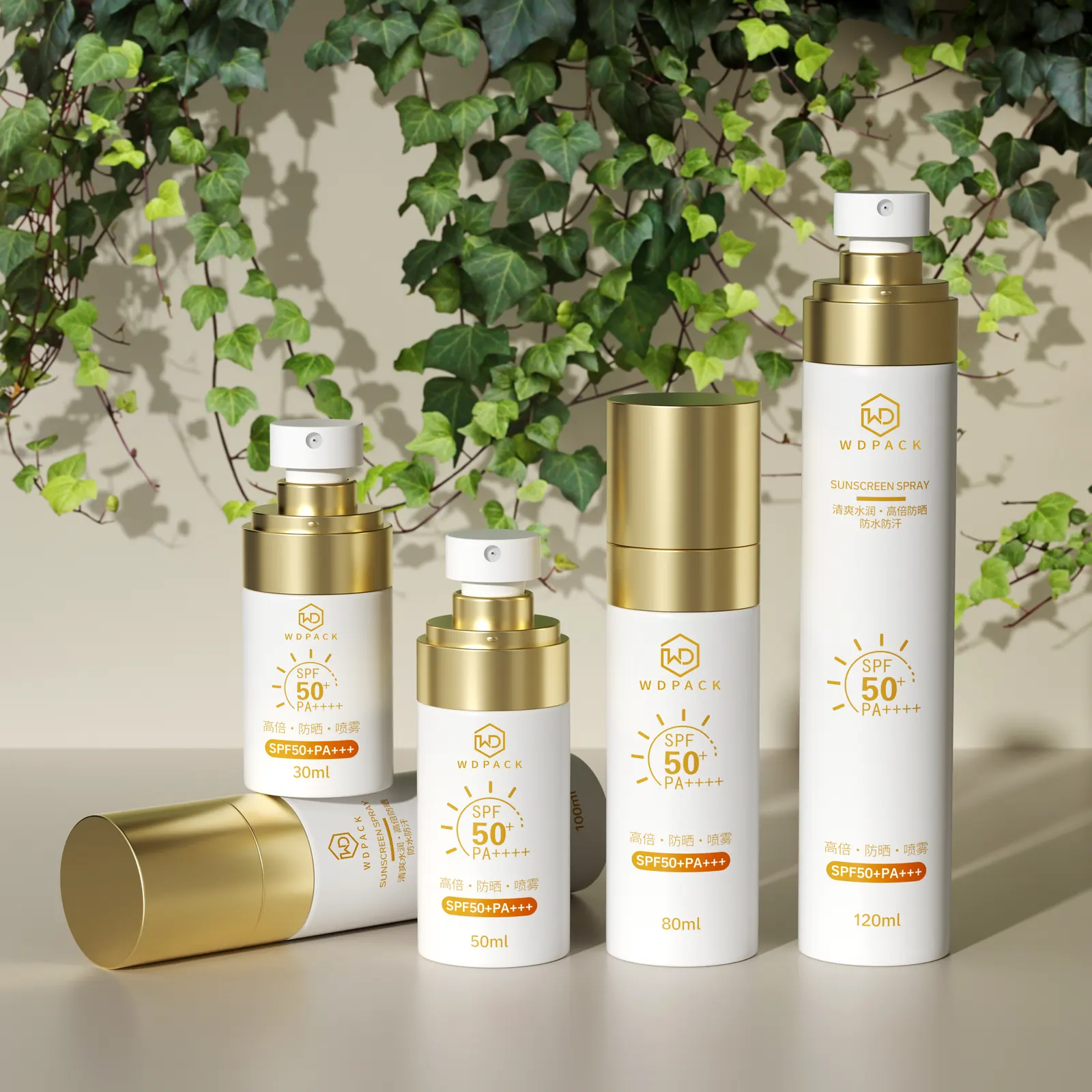
Ask every supplier to quote the same assembled pack, quantity, finish, packing and delivery basis. A low unit price can describe a narrower scope.
| Cost line | What changes the scope | Question to ask |
|---|---|---|
| Body and material | Model, capacity, material specification, body weight and any color change. | Is the quoted body the same SKU and version as the sample? |
| Pump, cap and other parts | The named component set, assembly and any change to closure or dispenser. | Are every pump, collar, liner and cap included? |
| Decoration | Artwork area, number of colors, surface process and proofing scope. | Does the unit price include the finish shown in the reference? |
| Tooling and development | New geometry, mold work, prototypes and approval rounds where required. | Is this a one-time charge, and who retains the tool? |
| Inspection and packing | Agreed checks, individual protection, carton count and labels. | What sample and inspection criteria govern acceptance? |
| Delivery | Packed dimensions, shipping term, destination and schedule. | Which freight and import costs are outside the quote? |
The decision is not simply stock versus custom. Determine which feature needs to change and which existing parts can stay.
Keep the current body, color and component set. Check live availability before treating a catalogue image as stock.
Keep the mold and add eligible logo, color or decoration work. Each extra process has its own proof and quantity requirement.
Change the shape, neck or internal fit when the standard model cannot do the job. Scope design, tooling and validation separately.
Selected stock can start at 300 pieces. Eligible logo printing can start at 1,000, eligible color customization at 5,000, and normal custom production is planned around 10,000. The exact SKU, components and process determine the real minimum.
Two offers can show a similar outline while specifying different bodies, pumps, caps or assembly work.
Record the SKU, target fill, material specification, body weight and color. Request a physical sample when feel or appearance matters.
Name the pump or closure and the complete parts supplied. Test output, fit and repeated use with the intended product.
Clarify whether the quote covers an assembled unit, separate components or a finished retail pack.
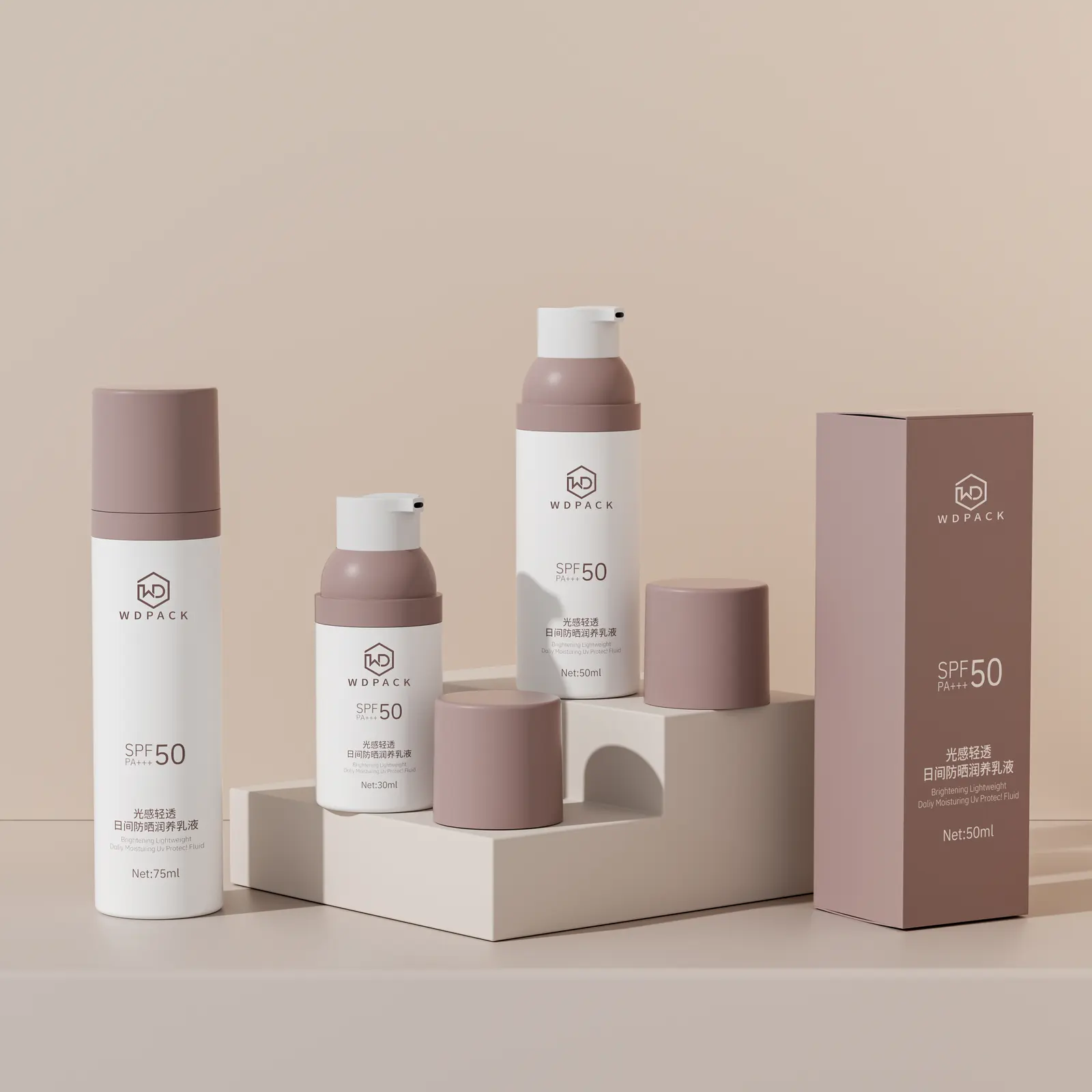
A plain body with a printed mark, a sprayed body, and a plated detail involve different production steps and approval checks. Decide which visible effect matters before specifying the method.
Compare documented finishesSupply a physical or specified color reference, artwork and the area to be treated.
Review color, logo placement, adhesion and wear on a decorated sample.
Retain the approved sample and artwork revision for bulk inspection and reorder.
An existing mold fixes the body and critical interfaces. Ask WDPACK to mark which requested changes can be made through components or decoration and which require a new tool.
Explore the body, offered sizes, compatible components and finish options. This usually removes a separate new-body tooling discussion.
See the standard-model routeSend a marked drawing for body shape, neck, opening or fit changes. Request a scope covering design, tool, prototypes, revisions and ownership.
Review design and mold stepsSplit sampling, minimum order, mass production and freight into separate milestones.
Available configuration only; ask for a live check by SKU and component set.
Confirm method, art area, sample scope and the selected base model.
Confirm substrate, color target, proof and production conditions.
Planning figure for custom production; tooling and quantity are quoted by project.
A usable brief can receive an initial packaging route within 72 hours. This is not a physical-sample or shipment commitment.
Copy these fields into your inquiry so price differences can be traced to a real difference in scope.
Formula type, viscosity or filling constraints, target fill and destination market.
WDPACK SKU or reference photo, body size and required pump, cap or liner.
Body color, artwork, print position, surface finish and physical reference.
Quantity by SKU and variant, sample request, packing, destination and target date.
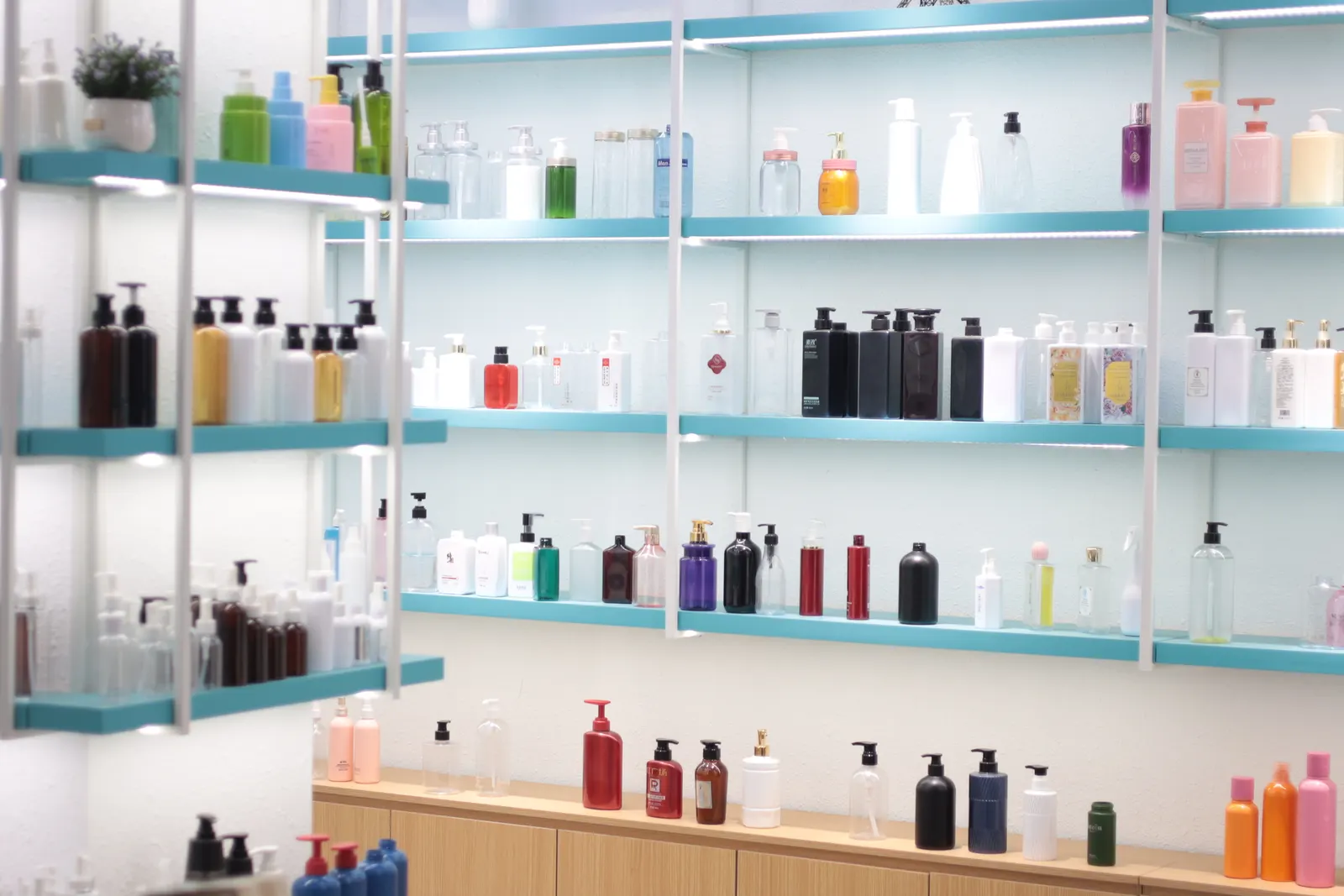
A good price only remains meaningful when production follows the version you approved.
The bodies may differ in specification, weight or parts. Decoration, tooling, assembly, inspection, packing and delivery scope also affect the offer. Request itemized quotations against one brief.
Usually a plain stock sample answers the structure question. Ask separately for a decorated proof and its charge, timing and eligible order quantity.
Consider an existing mold, fewer process layers and a restrained color or print system. Test the proposed alternative on an assembled sample before releasing the order.
Do not assume so. Ask the quotation to separate tooling or development charges from unit pricing and state ownership and revision terms.
No. Compare unit cost, proofing charges, packing and freight at the quantity you can actually sell. Eligible lower-quantity routes depend on the model and finish.
Send the formula, target fill, model or reference, components, finish, quantity and destination. WDPACK can identify the available route and the items that need a physical proof.
