

Use the catalogue shape
Shortlist SKUs with the right format, then confirm capacity, components and dimensions. Color, printing or other decoration can be discussed for that model.
Compare modelsCompare WDPACK's existing models first. If the shape or construction needs to change, packaging design and mold development can be discussed against your brief.
The same capacity can have very different shoulders, closures and dispensing parts. Compare a supplied WDPACK model first, then mark the points the new pack must change.
Inspect WDS01 views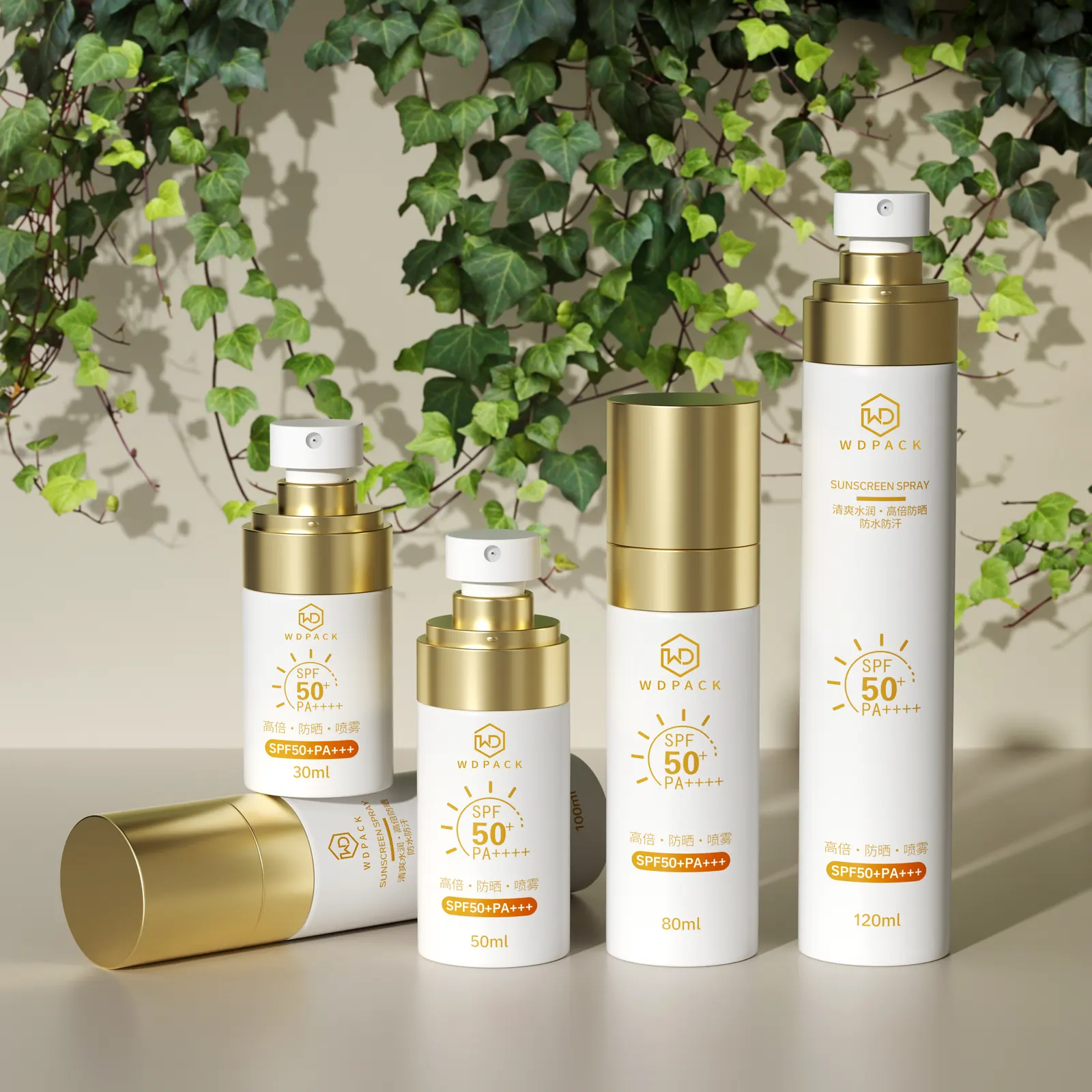
Product photos and supplied drawings show a starting point. The final route depends on the selected model, intended contents and approved sample.
Shortlist SKUs with the right format, then confirm capacity, components and dimensions. Color, printing or other decoration can be discussed for that model.
Compare modelsBring a reference bottle, sketch or drawing and identify what must change. WDPACK lists packaging design, mold development and artwork sampling among its services; scope and terms need project review.
Describe the changeThese choices determine which existing model to compare and what a new design must resolve. Record what is fixed and what can change.
State the intended product, target fill volume and any compatibility concern. The formula and filling conditions need checking against the selected packaging.
Bring: product type and target volume.Mark the bottle body, neck, pump or cap and any dimensions your filling line or carton requires. Photographs alone cannot confirm component fit.
Bring: preferred SKU or reference views.Separate shape changes from color, printing and surface finish. State the estimated order quantity so the practical route can be reviewed.
Bring: artwork or visual reference.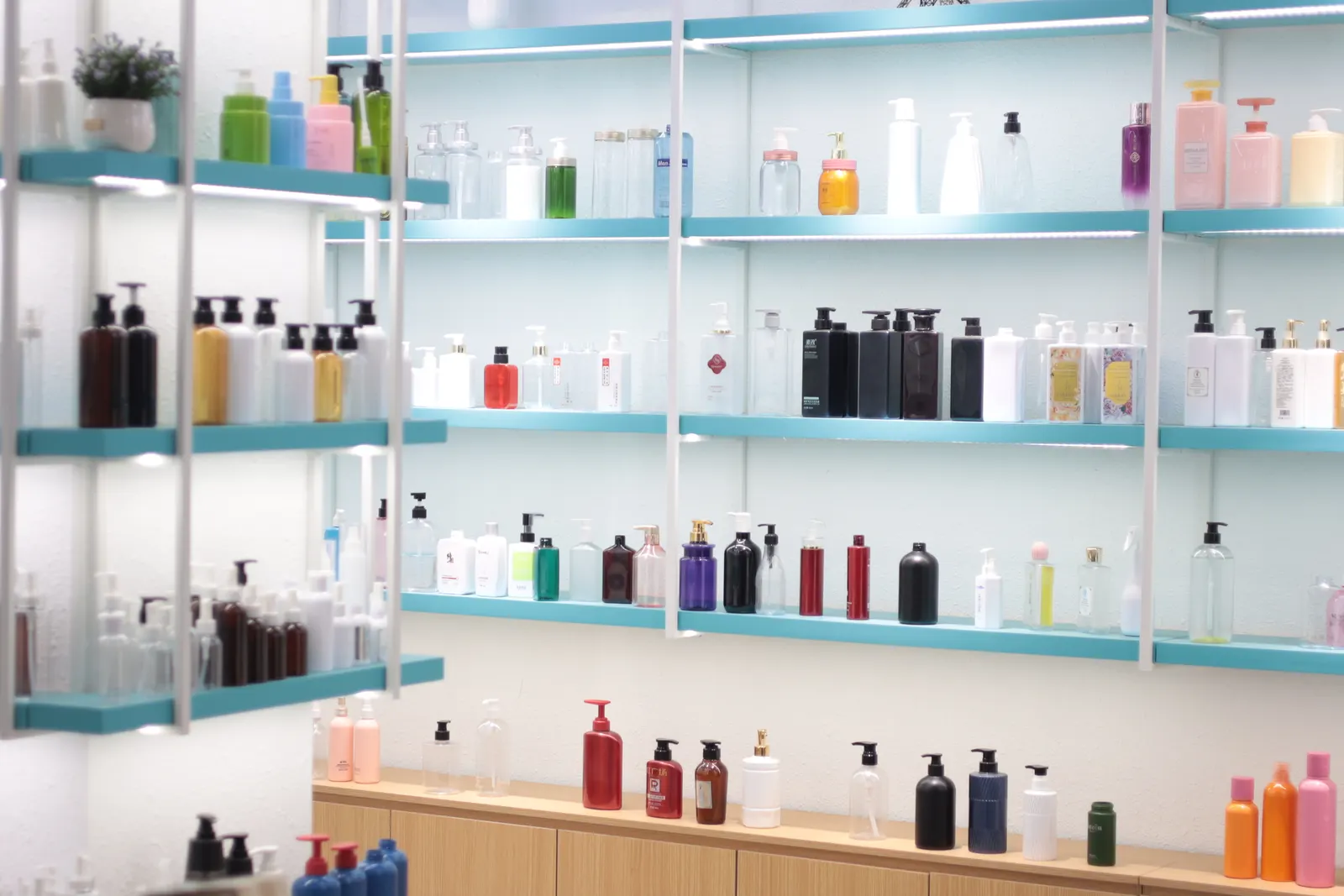
Photos help compare form and finish. Neck dimensions and functional fit need a drawing or physical sample.
This is a working sequence for a design discussion. WDPACK's documented order process controls the eventual proofing and approval; drawing scope, mold terms and timing are confirmed for the project.
Identify a catalogue SKU closest to the required volume, dispensing method and proportions.
Specify body shape, neck and component constraints against reference photos or a drawing.
Ask which changes can use an existing model and which require design or mold development.
Review the physical bottle and its assembled parts; check appearance, dimensions and intended use.
Record the approved sample, component set, artwork and inspection points in the bulk specification.
Keep the physical sample beside the agreed drawing and written specification. A good-looking render cannot establish fit or use on its own.
Review WDPACK inspection criteriaCompare the shoulder, body, base and critical fitting dimensions with the agreed reference.
Assemble the bottle with the selected closure or dispenser and check fit and the intended dispensing action.
Confirm color, artwork position and visible surface quality when those are in scope.
Agree the final configuration, packing and relevant acceptance points before bulk production.
WDPACK's original process chart runs from customization requirements and bottle selection through proofing, sample approval, production, delivery and after-sales support. Confirm timing and commercial terms for your own project.
Review all nine steps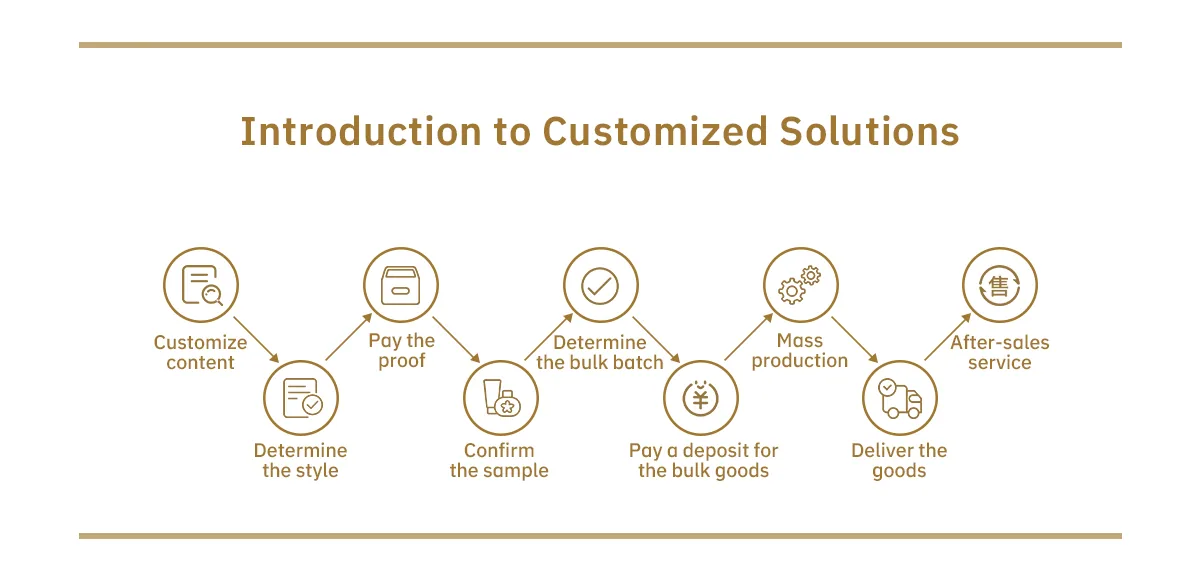
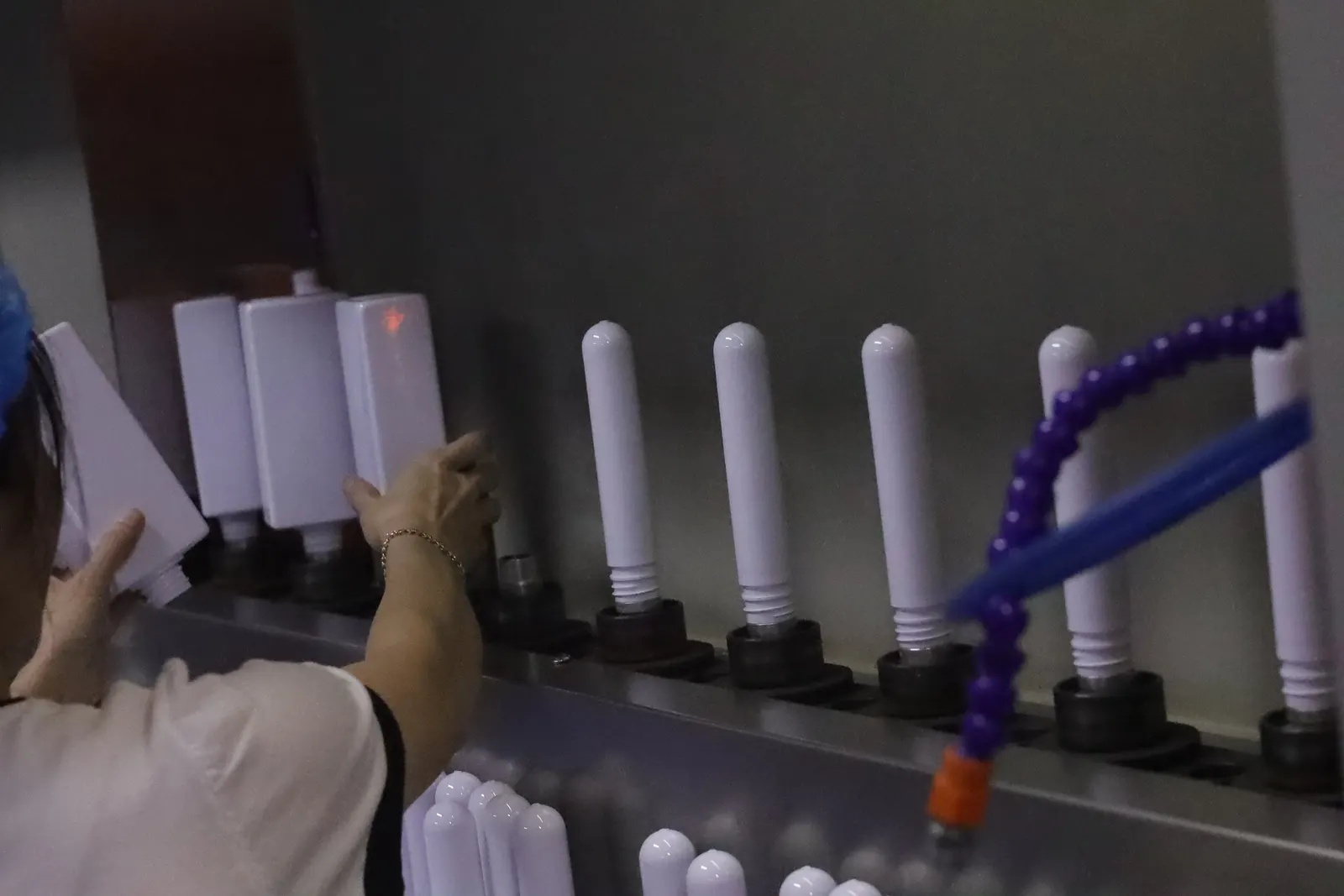
Appearance is only one part of the decision. Confirm component fit, critical dimensions and the functional checks that apply to the intended contents before bulk production.
A new silhouette may require a different scope from decorating an existing model. Ask for the tooling and sampling terms in writing before approving the project.
Include the intended contents, capacity, dispensing format, dimensions to verify, artwork and estimated quantity.
