
Standard models, specified for your brand.
Start from a WDPACK catalogue structure, then define the capacity, parts, color, graphics and packing your product requires. An existing mold can simplify development, but the final version still needs a physical approval.

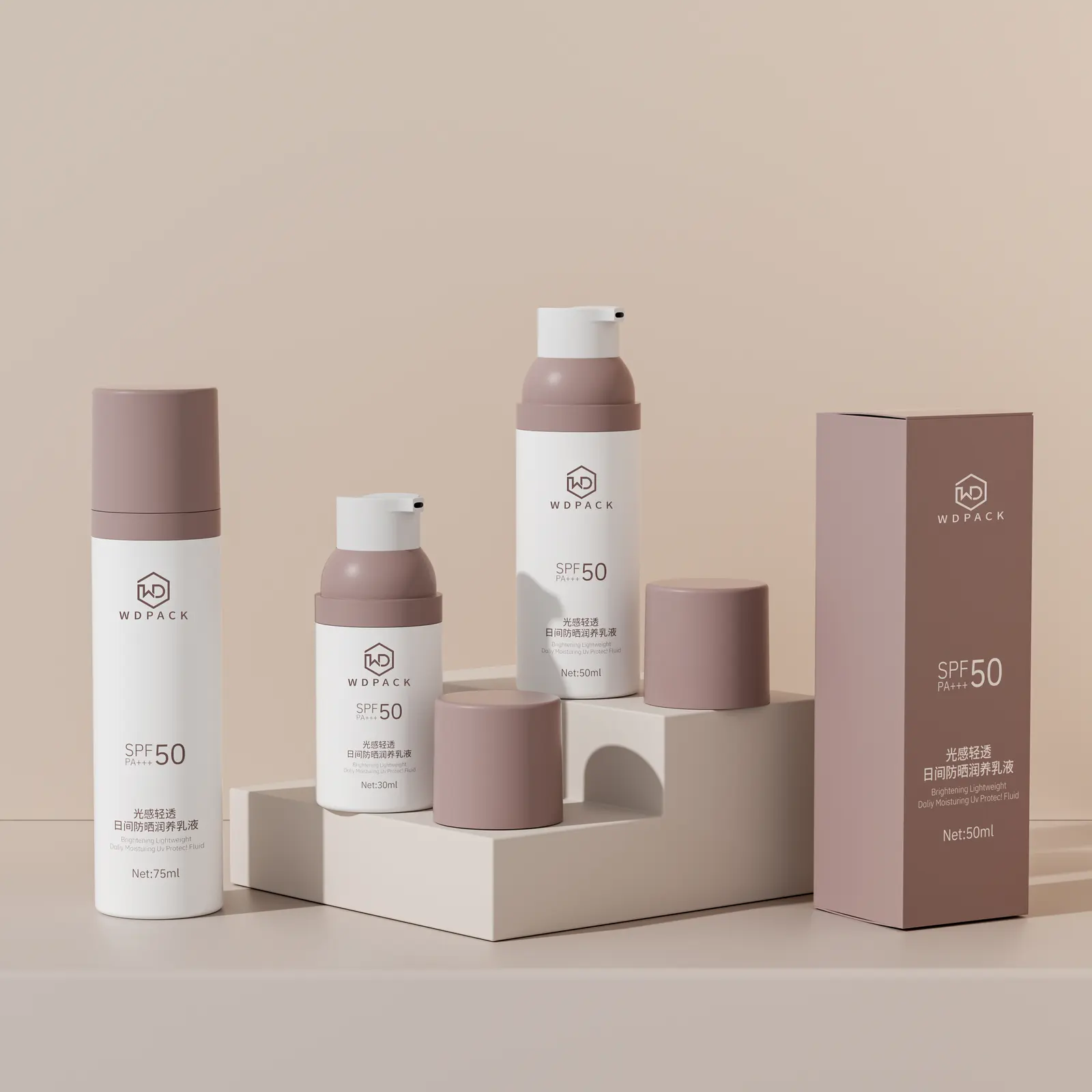
What an existing mold can and cannot change
A standard model gives you a starting geometry. Treat color, decoration, components and packing as separate requests with their own availability and approval checks.
| Decision | Existing-model position | Buyer action |
|---|---|---|
| Body shape and opening | Usually fixed by the selected existing mold. | Choose a different model or discuss new tooling if geometry must change. |
| Capacity and components | Available sizes and pump or cap options depend on the exact model. | Request drawings and an assembled sample for the target configuration. |
| Body color | Can be discussed on eligible models and quantities. | Supply a reference and approve a physical color sample. |
| Logo and information | Printing or labeling depends on surface, artwork and process. | Check printable area, legibility and decorated proof. |
| Packing | May be configured to match handling and destination. | Specify individual protection, carton labeling and assembly state. |
Pick by the packaging job before the visual style
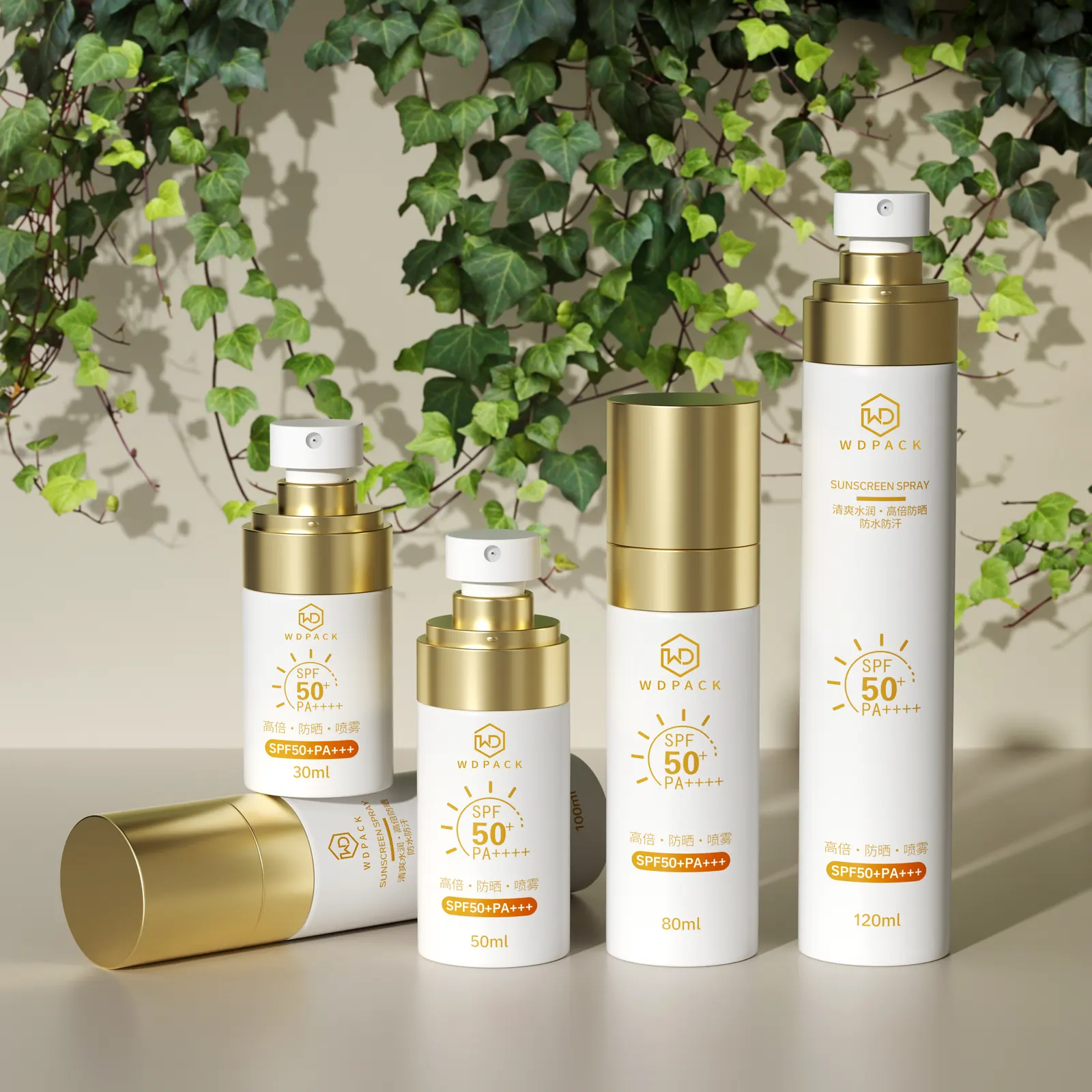
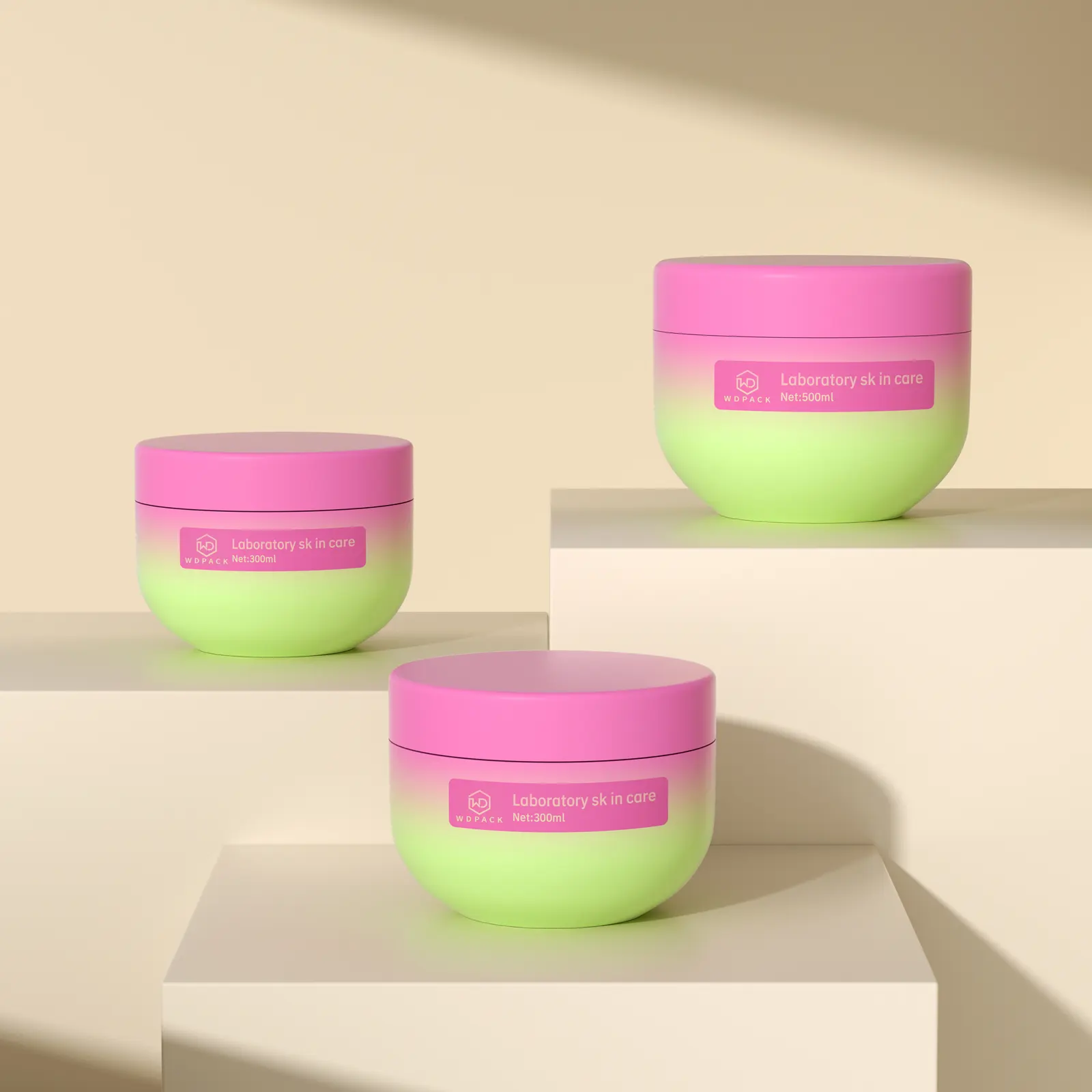
These catalogue examples cover different uses. They do not imply every component, capacity or material shown is currently available.
Approve the bottle as an assembly
A body photo does not establish the final pack. Put the intended contents, dispenser, cap and filling operation into the same specification.
Check capacity, neck and equipment access against the actual production plan.
Specify the exact pump, sprayer, dropper or cap, then test fit and repeated use.
Decide assembly state, protection and carton requirements before final pricing.
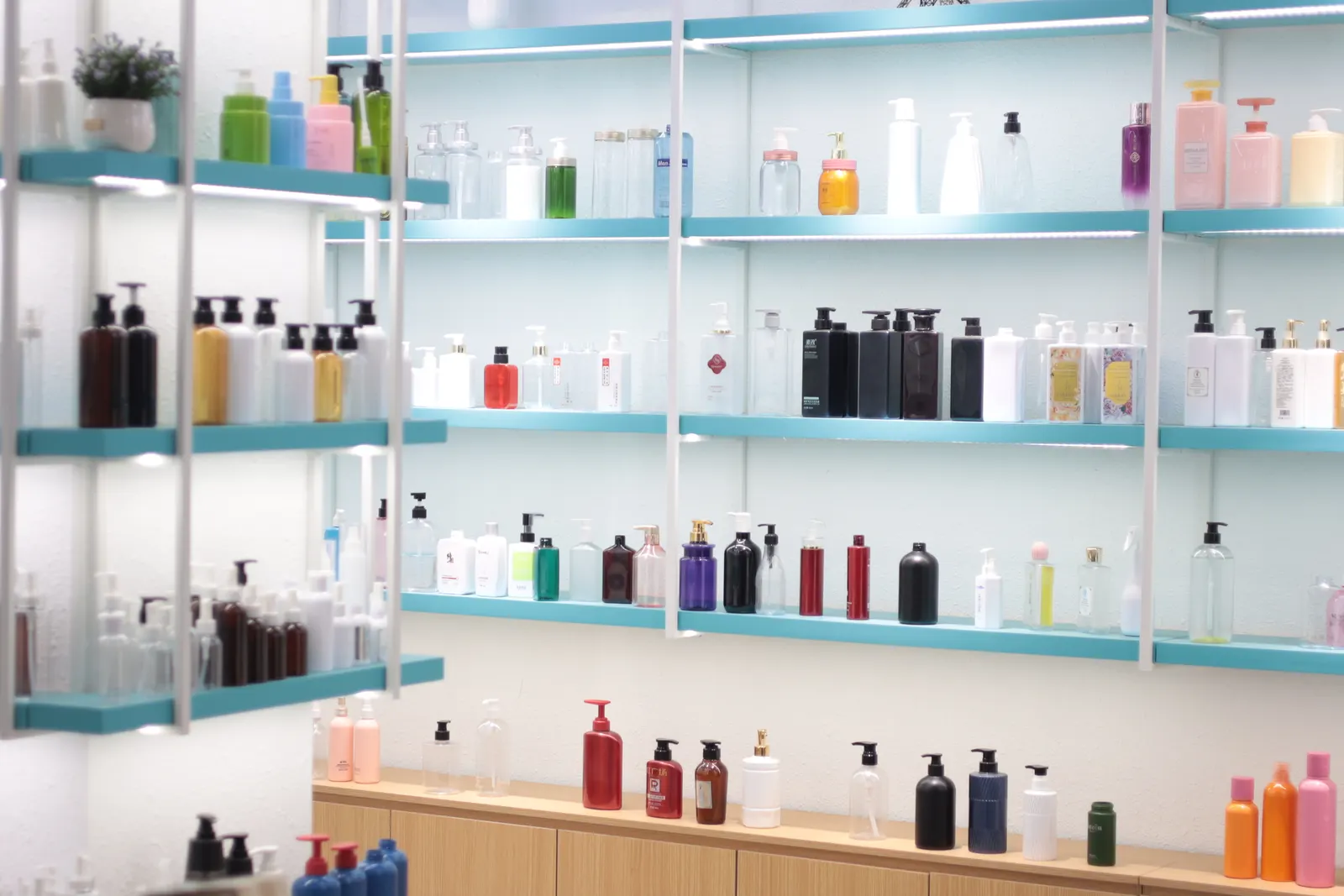
Make a standard structure unmistakably yours.
Choose a recognizable brand system across the offered body shapes: consistent logo position, hierarchy, color and finishing. A proof must demonstrate the result on each actual SKU.
Explore finish decisionsProvide a specified or physical reference and confirm the eligible process and quantity.
Provide editable artwork, print size, mandatory copy and placement.
Discuss documented printing, hot stamping, frosting, spraying, plating or labeling as suitable for the chosen model.
Six decisions with an output at each handoff
A clear sequence helps the buyer approve the same version that will be manufactured.
- 01
Send the requirement
Share product type, intended contents, target fill, quantity, market and launch date. Attach a reference or select a WDPACK SKU.
- 02
Shortlist existing models
Compare body geometry, available sizes, opening and compatible components. Request drawings or stock samples where available.
- 03
Agree the change list
Separate unchanged mold features from color, print, component and packing requests. Mark anything that needs a feasibility review.
- 04
Approve the sample plan
Specify whether you need a plain structure sample, decorated proof or both, and confirm charges and preparation timing.
- 05
Check the physical pack
Review fit, filling, dispensing, surface appearance and any formula-specific performance on the assembled configuration.
- 06
Release the order
Lock the SKU, components, artwork version, accepted sample, inspection points, quantity, packing and delivery terms.
Use the quantity that belongs to the change
Each minimum is an eligible starting point, not a blanket promise across the catalogue.
Existing configuration with current availability confirmed.
Artwork and chosen print route on a suitable model.
Specified color and approved physical proof.
Planning quantity for broader custom production.
The sample becomes the reference for bulk production
Select a sample type that answers your remaining question; a plain bottle cannot approve a future printed finish.
Plain model sample
Check body, capacity, opening and component fit. Compare the sample to the selected drawing.
Assembled and filled trial
Check your contents, filling, closure and dispensing against the intended use and distribution conditions.
Decorated proof
Approve color, logo, finish, placement and accepted variation on the real model.
Special printing or decoration samples generally need 7-15 days according to WDPACK's supplied FAQ; actual charges, preparation and shipping dates are confirmed per project.
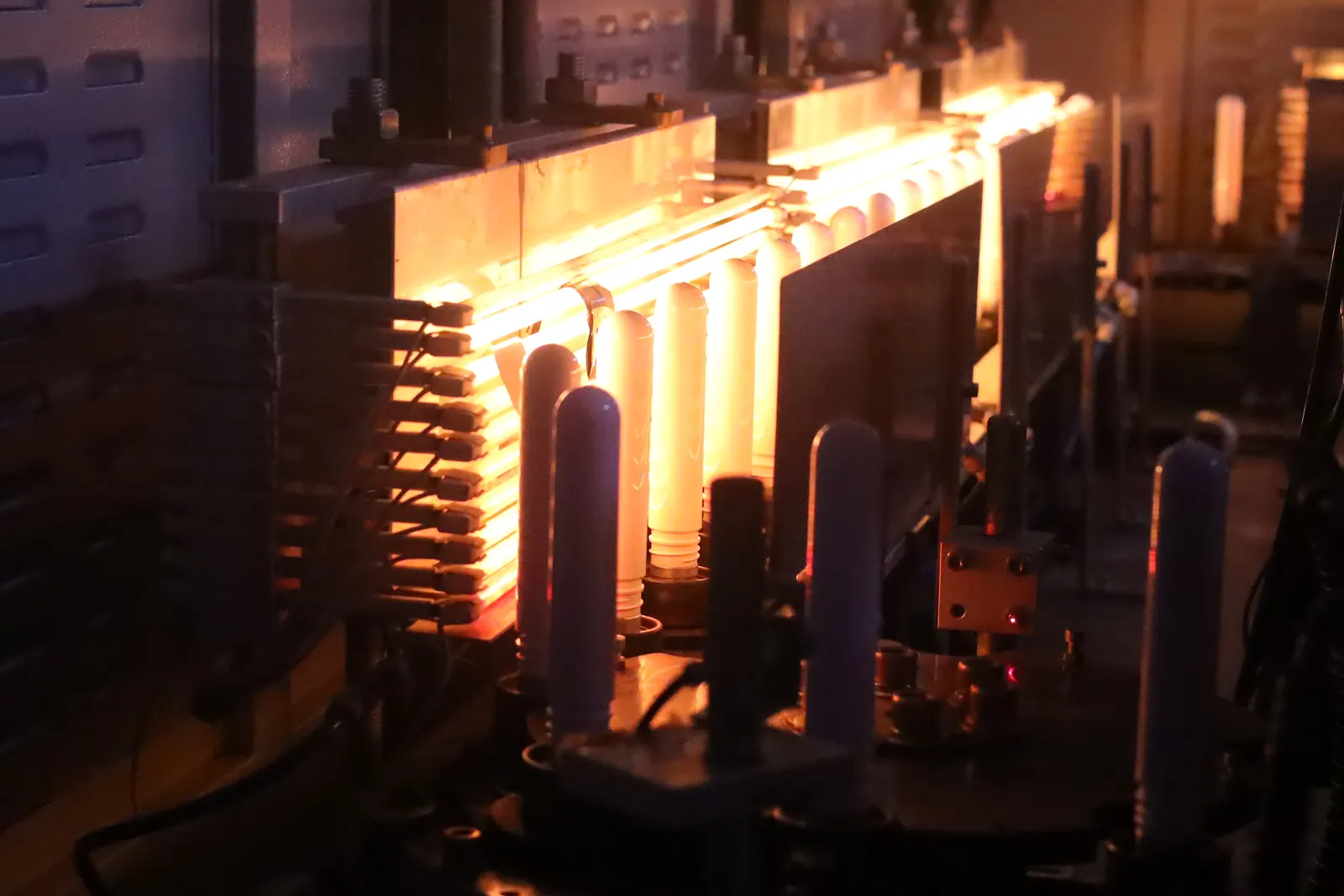
Keep the approved version reproducible
- Exact SKU, drawing or body revision and selected capacity
- Named component set and assembly state
- Material, color target and decorated sample
- Artwork version and placement proof
- Inspection points, unit protection and carton mark
- Quantity split, delivery terms and retained approval sample
Before you choose an existing model
Can I change the body shape without a new mold?
Existing molds fix the main geometry. Small requests may be possible through components or decoration; send a marked drawing for WDPACK to assess any body or neck change.
Are all catalogue colors available from 300 pieces?
No. The 300-piece starting point applies only to selected stock configurations. Eligible custom color work can start from 5,000 pieces, subject to the exact model and finish.
Does logo printing require a new mold?
Usually the print can be discussed separately from body tooling when the existing surface is suitable. Confirm the artwork, method, proof and eligible quantity for the selected SKU.
Can I combine several colors or sizes into one MOQ?
That depends on the model, production setup and split. List quantity by SKU, capacity, color and component combination for a specific quotation.
What should I approve before repeating an order?
Keep the physical sample, component list, color and artwork revisions, inspection points and packing specification with the purchase record.
Specify the existing model you want to make yours.
Send a WDPACK SKU or reference, intended contents, target fill, parts, artwork, quantity and destination. WDPACK can confirm the available customization and sample route.
