
Existing bottle or new mold: how to frame the decision
A new shape may be necessary, but a model and finish review should come first.
Check whether an existing bottle can meet the capacity, dispensing and presentation brief with a different color or decoration. If the required shape or function cannot be achieved with an existing model, bring the reference, technical needs and order plan into a mold discussion.
What an existing model can answer quickly
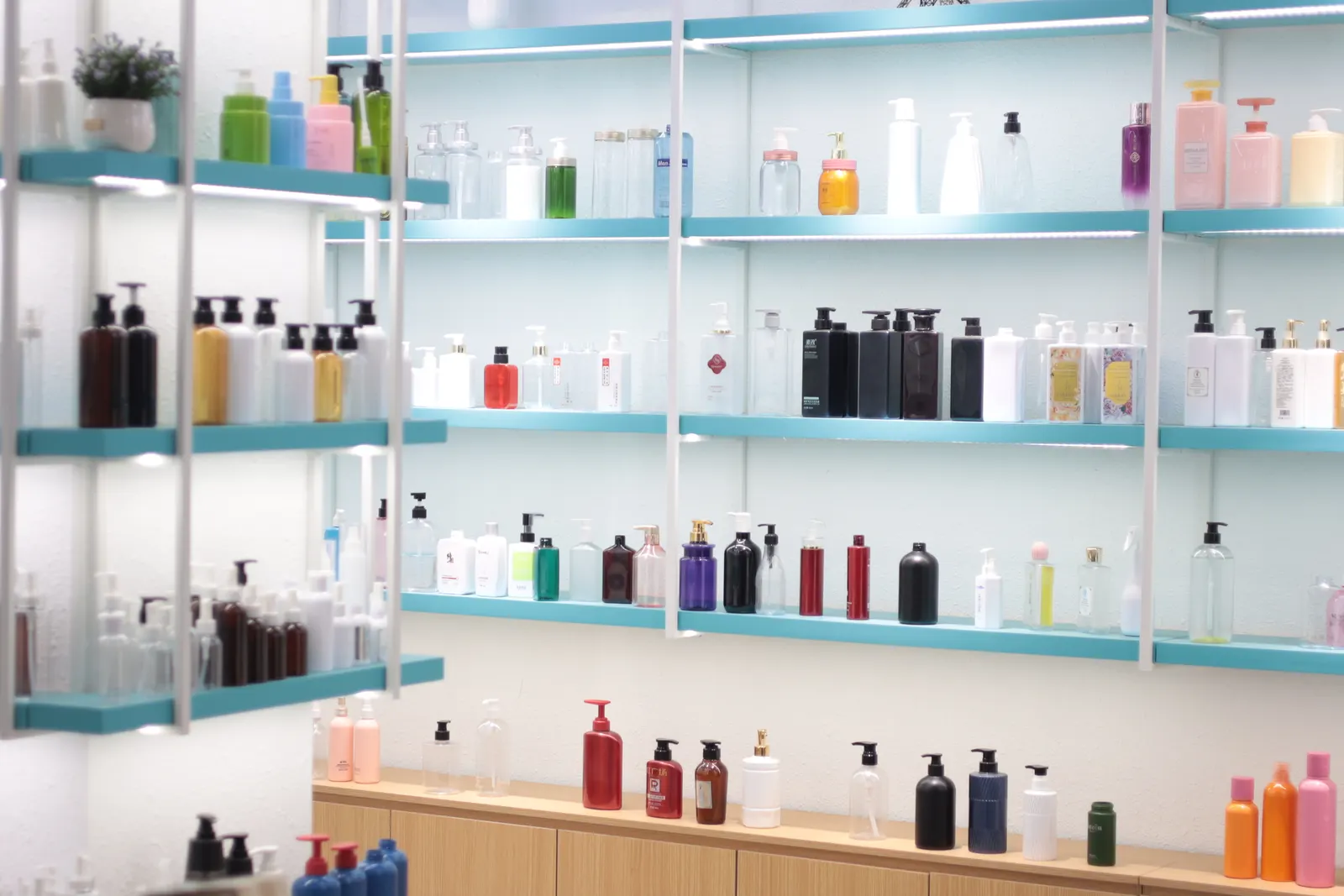
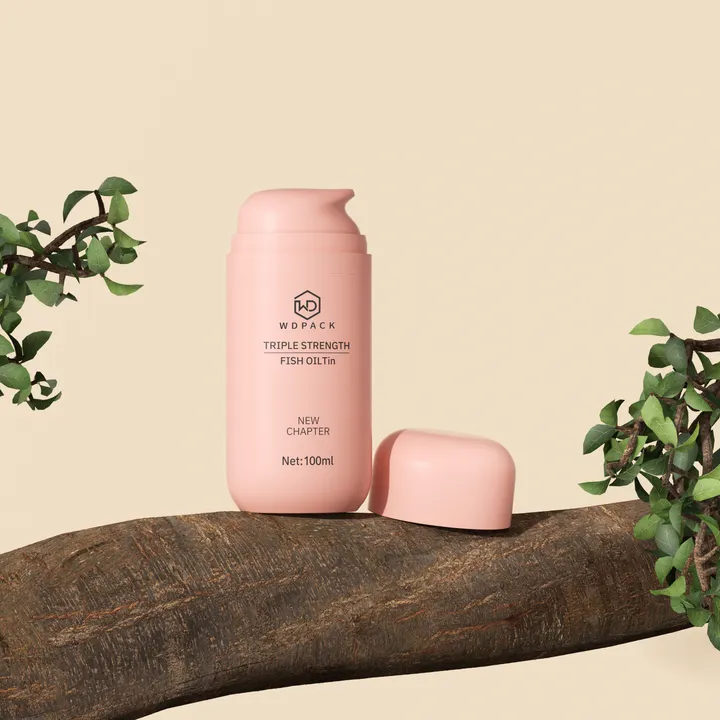
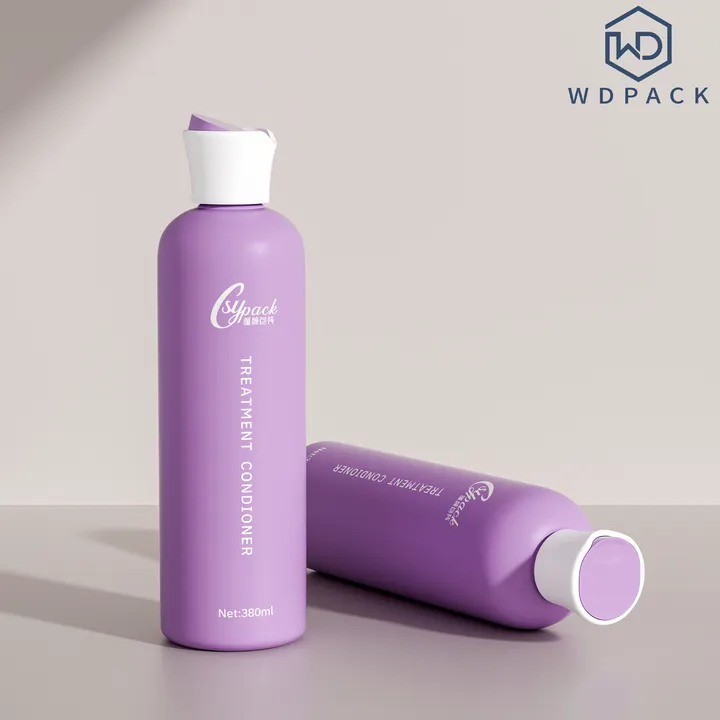
WDPACK publishes photographs for its bottle, jar and tube models, with technical drawings available for some. A shortlist gives the discussion real SKUs and visible components. Ask what can change on each model: color, decoration and assembled parts depend on the selected product and quotation.
Use a sample to check the form in hand. A different finish can change the shelf impression, but it cannot correct an unsuitable opening, closure or basic geometry.
When to discuss mold development
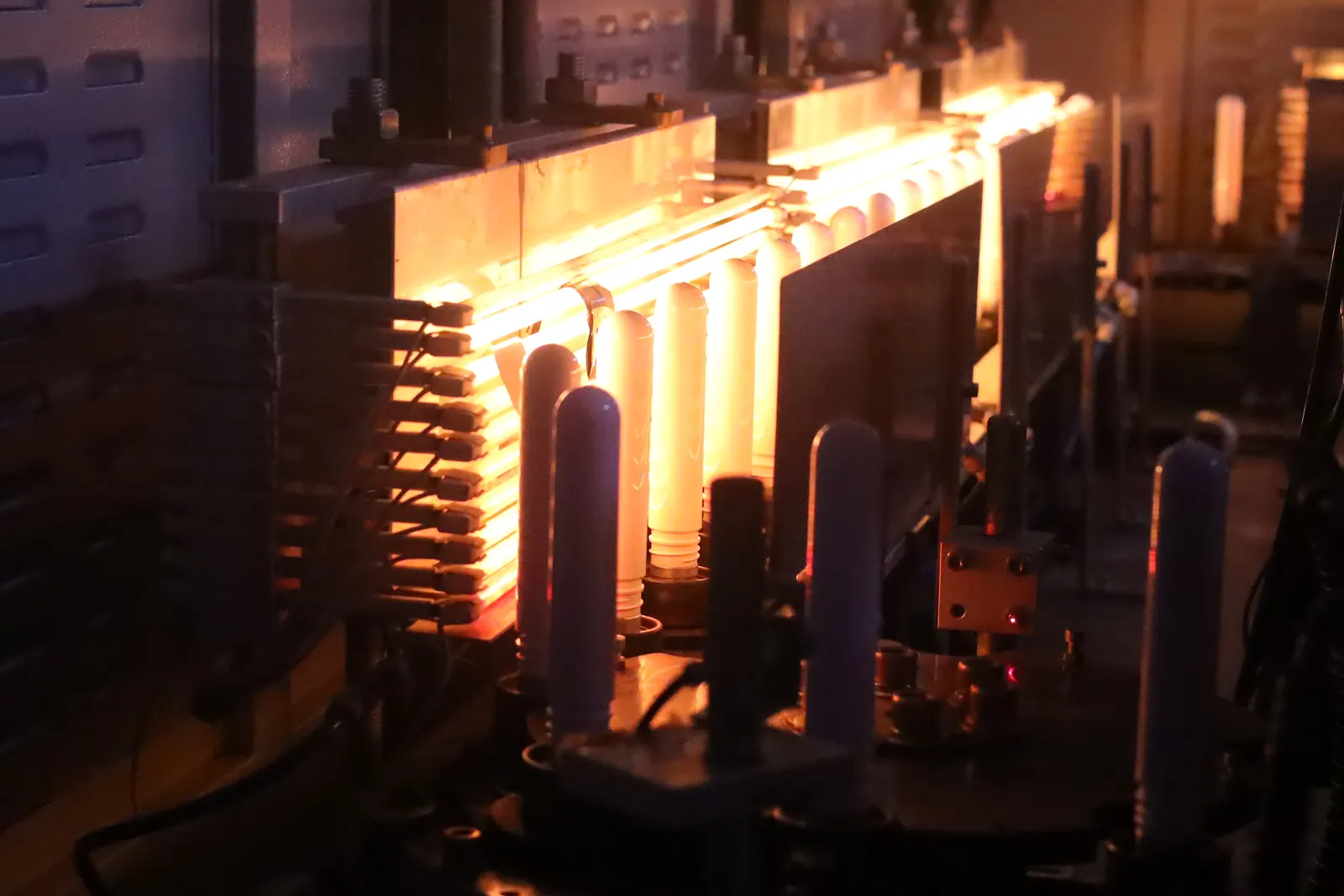
If the brief requires a shape, capacity relationship or component fit unavailable in the current range, document the gap. Supply a reference, the intended contents, dispensing method, target dimensions if known and estimated quantity. WDPACK lists packaging design, artwork sampling, mold development and precision manufacturing among its services.
The custom route should define what must be designed and approved. Do not assume the design, tooling scope or commercial terms from a concept sketch.
Use the same approval discipline for either route
For an existing model, confirm the complete configuration and finish. For a new mold, add the geometry and development scope. In both cases, review a representative sample for dimensions, appearance and function before production approval.
A useful inquiry can contain both an existing-model shortlist and the reference for a new direction. That gives the project team a concrete comparison instead of an abstract request for “custom packaging.”
Inspect actual models
These galleries show the photographed models and any supplied drawings or video. Confirm capacity, components, finish and suitability for your own project.
Buyer checklist
Keep these details together when discussing the selected model.
- Existing SKUs considered
- Specific gap in shape or function
- Reference and required capacity
- Estimated quantity and finish
- Sample and approval requirements
Start with an existing-model comparison
Show which requirement the current models cannot meet before defining new mold work.
Prepare an inquiry